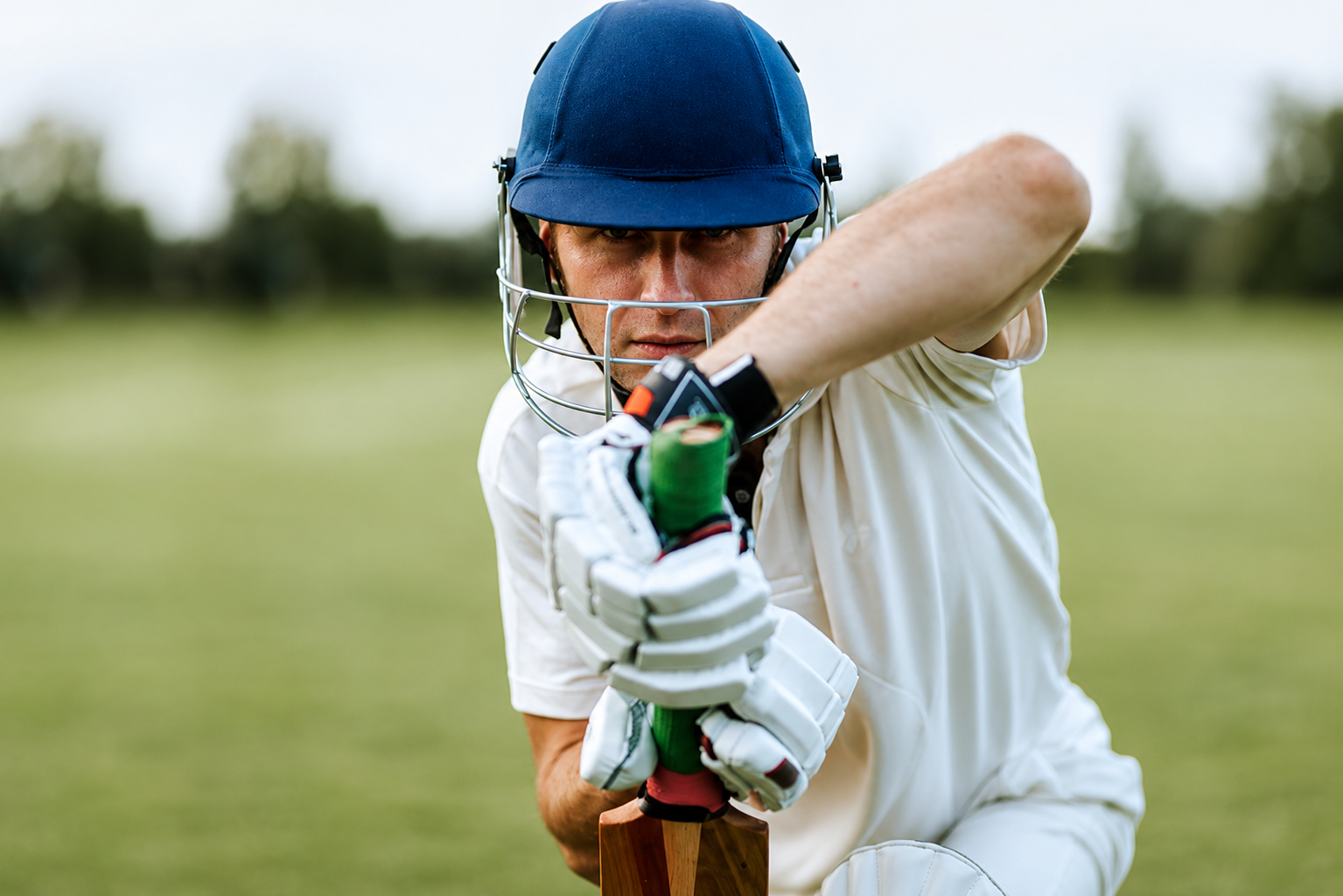
Cricket has many fascinating ways in which a batsman can be dismissed. Some are common, such as bowled and caught, while others happen rarely and often confuse fans. One such dismissal is hit wicket.
If you have ever wondered “What is hit wicket in cricket?” or “Can a batsman be out hit wicket on a no ball?”, this guide explains everything in simple terms.
Let us break down the hit wicket cricket rule, provide real match examples, and clear up common misunderstandings.
Table of Contents
What Is Hit Wicket in Cricket?
In cricket, hit wicket is a mode of dismissal where the batsman accidentally or unintentionally breaks their own wicket while:
- Playing a shot, or
- Setting off for a run, or
- During their normal batting movement
If the stumps are broken by the batsman’s body, bat, helmet, or any equipment they are using, the batsman is declared out hit wicket.
Hit wicket is governed by Law 35 of the Laws of Cricket.
Simple Definition of Hit Wicket
A batsman is out hit wicket if:
The batsman breaks the stumps with their bat, body, or equipment while attempting to play the ball or start a run.
What Counts as Breaking the Wicket?
The wicket is considered broken when:
- One or both bails fall off, or
- A stump is knocked out of the ground
This can happen if:
- The bat swings back and hits the stumps
- The batsman’s foot steps on the stumps
- The helmet falls onto the wicket
- Clothing or pads knock off the bails
Any of these can lead to a hit wicket dismissal.
When Can a Batsman Be Given Out Hit Wicket?
A batsman can be out hit wicket in these situations:
- While playing or attempting a shot
- While preparing to face the delivery
- While starting the first run
However, if the wicket is broken after completing a shot and not attempting a run, the batsman is not out.
Timing is extremely important.
Example Scenarios
Example 1:
A batsman plays a powerful pull shot. The bat swings back and hits the stumps.
Result: Out hit wicket.
Example 2:
The batsman steps back to defend a ball and their foot knocks the bails off.
Result: Out hit wicket.
- Loading relevant tools…
Example 3:
After playing a shot, the batsman adjusts their gloves and accidentally hits the stumps.
Result: Not out.
Is Hit Wicket a Common Dismissal?
No. Hit wicket is one of the rarest dismissals in cricket.
It usually happens due to:
- Poor balance
- Unusual batting stance
- Fast or bouncy bowling
- Fatigue
Even professional players may go years without seeing a hit wicket dismissal in a match.
Hit Wicket on No Ball – Is It Out?
This is one of the most frequently asked questions.
Yes. A batsman can be out hit wicket even if the delivery is a no ball.
Why?
Because hit wicket is considered a batsman’s own error, not a dismissal caused by the bowler’s legal delivery.
So if:
- The bowler oversteps (no ball), and
- The batsman breaks their own stumps while playing the ball
The batsman is still out hit wicket.
Important Clarification
Even though a no ball usually protects batsmen from being out bowled, LBW, or caught behind, hit wicket is independent of ball legality.
Can a Batsman Be Out Hit Wicket on a Wide Ball?
Yes.
If the batsman breaks the wicket while attempting to play or move for a wide delivery, they can be given out hit wicket.
Does the Bowler Get Credit for Hit Wicket?
Yes.
In the scorecard:
- The dismissal is recorded as hit wicket
- The bowler is credited with the wicket
Even though the batsman caused the dismissal.
Difference Between Bowled and Hit Wicket
| Feature | Bowled | Hit Wicket |
|---|---|---|
| Who breaks stumps? | Ball | Batsman |
| Caused by bowler? | Yes | Indirect |
| Common? | Very common | Rare |
| Legal delivery required? | Yes | No |
Famous Hit Wicket Dismissals
Some well-known players who have been dismissed hit wicket include:
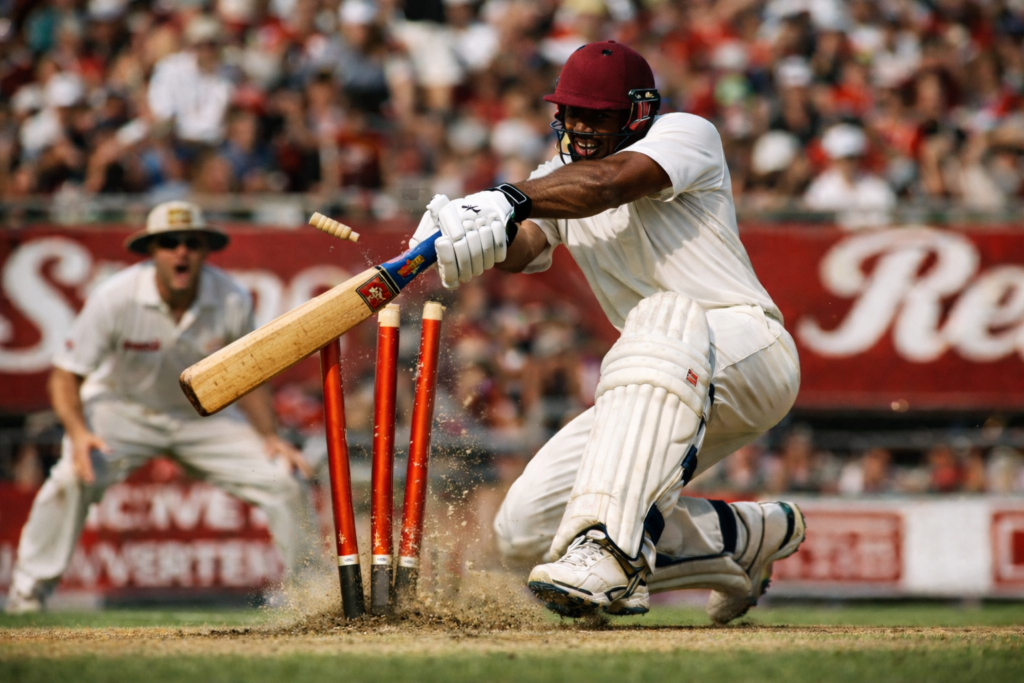
- Brian Lara
- Steve Waugh
- Inzamam-ul-Haq
- Kevin Pietersen
These dismissals show that even great players can make small mistakes under pressure.
Why Do Hit Wicket Dismissals Happen?
Main reasons:
- Backlift too close to stumps
- Playing on fast, bouncy pitches
- Unstable stance
- Rushing shots
- Poor footwork
Coaches often train batsmen to maintain safe distance from the stumps to avoid this.
Can a Batsman Be Out If the Bowler’s Ball Hits the Bat and Then the Bat Hits the Stumps?
Yes.
If the bat rebounds after contact with the ball and breaks the wicket, it is still considered hit wicket.
Can a Batsman Be Out Hit Wicket While Taking Guard?
No.
If the batsman breaks the wicket while not attempting a shot or run, such as during guard-taking or casual movement, they are not out.
Hit Wicket in T20, ODI, and Test Cricket
The hit wicket law is identical across all formats:
- Test matches
- One Day Internationals
- T20 Internationals
- Domestic cricket
No format has special exceptions.
Why Understanding Hit Wicket Matters
- Helps fans interpret unusual dismissals
- Useful for umpires and scorers
- Improves batting technique awareness
- Avoids confusion during no-ball situations
Knowing this rule makes you a more informed cricket follower.
Quick Summary
- Hit wicket occurs when a batsman breaks their own stumps
- Can happen on legal ball, no ball, or wide
- Bowler gets the wicket
- Rare but legal dismissal
- Timing and intent are crucial
Frequently Asked Questions (FAQ)
Is hit wicket out on a no ball?
Yes. The batsman is out even if the delivery is a no ball.
Who gets the wicket for hit wicket?
The bowler is credited with the wicket.
Can helmet or pad cause hit wicket?
Yes. Any equipment worn by the batsman counts.
Is hit wicket counted as a bowler wicket?
Yes.
Is hit wicket a dead ball situation?
No. Play continues normally after the dismissal.
Reference Links
- Laws of Cricket – Law 35 (Hit Wicket):
https://www.lords.org/mcc/the-laws-of-cricket/hit-wicket - ESPNcricinfo – Modes of Dismissal:
https://www.espncricinfo.com/ci/content/page/429664.html - ICC Playing Conditions:
https://www.icc-cricket.com/about/cricket/rules-and-regulations
Disclaimer
This article is for informational and educational purposes only. While every effort has been made to ensure accuracy based on official cricket laws, rules and interpretations may change over time. Always refer to the MCC Laws of Cricket and ICC playing conditions for the latest official regulations.