
A comprehensive and dynamic set of regulations, officially known as the Laws of Cricket, govern the game. Although the sport may seem straightforward, it is actually quite complex. Fans, players, and commentators are often left confused by Cricket Rules, with contentious decisions like LBW calls sparking debates and rain-affected matches being decided by revised targets.
Cricket Rules are intricate and vary in their application across different formats. The same fundamental regulations govern Test cricket, ODI games, and T20 matches, but with specific terms and conditions that make each unique. With the introduction of new technologies such as DRS, ball tracking, and third-umpire reviews, it’s easy to see why many viewers struggle to grasp the implications of certain on-field decisions.
Over time, the Cricket Rules continue to evolve to make the game fairer, safer, and more exciting.
The Duckworth-Lewis-Stern (DLS) method manages rain interruptions, while innovations like free hits, powerplays, and over-rate penalties maintain balance between bat and ball. The ICC regulates and updates the Laws of Cricket, ensuring consistency, fairness, and transparency across international matches.
The purpose of this section is to provide clear and accessible explanations of all the significant rules in Cricket, utilizing both historical match situations and contemporary interpretations. The game’s fundamental principles are clear and accessible to both new and veteran fans, providing guidance on how to make informed decisions.
Table of Contents
Batting Rules
Batting rules determine how runs are scored, how dismissals occur, and what makes a delivery legal or illegal for a batter. Among all cricket laws, batting-related rules generate the most confusion—especially when decisions involve judgment calls by umpires.
Some of the most debated batting rules include:
- Leg Before Wicket (LBW)
- Free Hit conditions
- Handling of wides and no-balls from a batter’s perspective
👉 Start here:
LBW Rule Explained – Understand how ball pitching, point of impact, and ball trajectory decide one of cricket’s most controversial dismissals.
Match Format Rules
Cricket is unique in that its rules adapt based on match format. Test cricket emphasizes endurance and strategy, while limited-overs formats focus on tempo and scoring rates. Certain rules apply only in specific formats and can dramatically change the outcome of a match.
Key match format rules include:
- Follow-on rule in Test cricket
- Super Over rules in tied matches
- Powerplay structures across formats
👉 Start here:
Follow-On Rule Explained – Learn when a follow-on can be enforced, why captains sometimes avoid it, and how it can shift momentum in Test matches.
Rain & Target Revision Rules
Weather interruptions are a major part of modern cricket, especially in limited-overs matches. To ensure fairness, special rules are applied to revise targets and results when overs are lost due to rain or bad light.
The most important rain-related rule is:
- Duckworth-Lewis-Stern (DLS) Method
This method recalculates targets based on available overs and wickets, often leading to confusion among fans when revised scores appear suddenly during a broadcast.
👉 Start here:
DLS Method Explained – Understand why wickets matter, how resources are calculated, and why revised targets sometimes feel surprising.
Technology & Umpiring Decisions
Technology plays a growing role in how cricket rules are applied. Decision Review System (DRS), ball tracking, ultra-edge, and third-umpire reviews have improved accuracy—but they have also introduced new terms and concepts fans must understand.
This section explains:
- How DRS works
- What “Umpire’s Call” means
- When technology can and cannot overturn decisions
Why Understanding Cricket Rules Matters
The act of following cricket rules is not only about playing the game, but also about enjoying it. Predicting choices, analyzing tactics, and comprehending the skills involved can be achieved at the highest level. Rule knowledge is crucial for fantasy players, analysts, and serious fans to understand match momentum and outcomes.
The explanations in this section are entirely based on the information provided by ICC Laws of Cricket and are constantly revised to reflect rule changes and newer interpretations.
Select a rule below to understand it with examples.
Explore each rule in detail, see how it applies in real matches, and learn why cricket decisions are made the way they are.
-
Dead Ball Situations for Batters: Complete Cricket Guide

Cricket is a game filled with subtle rules that can dramatically influence the outcome of a match. While most players understand boundaries, wickets, no-balls, and wides, many batters still get confused about one important aspect of the game—Dead Ball Situations for Batters. Imagine hitting what appears to be a perfect shot only to discover that…
-
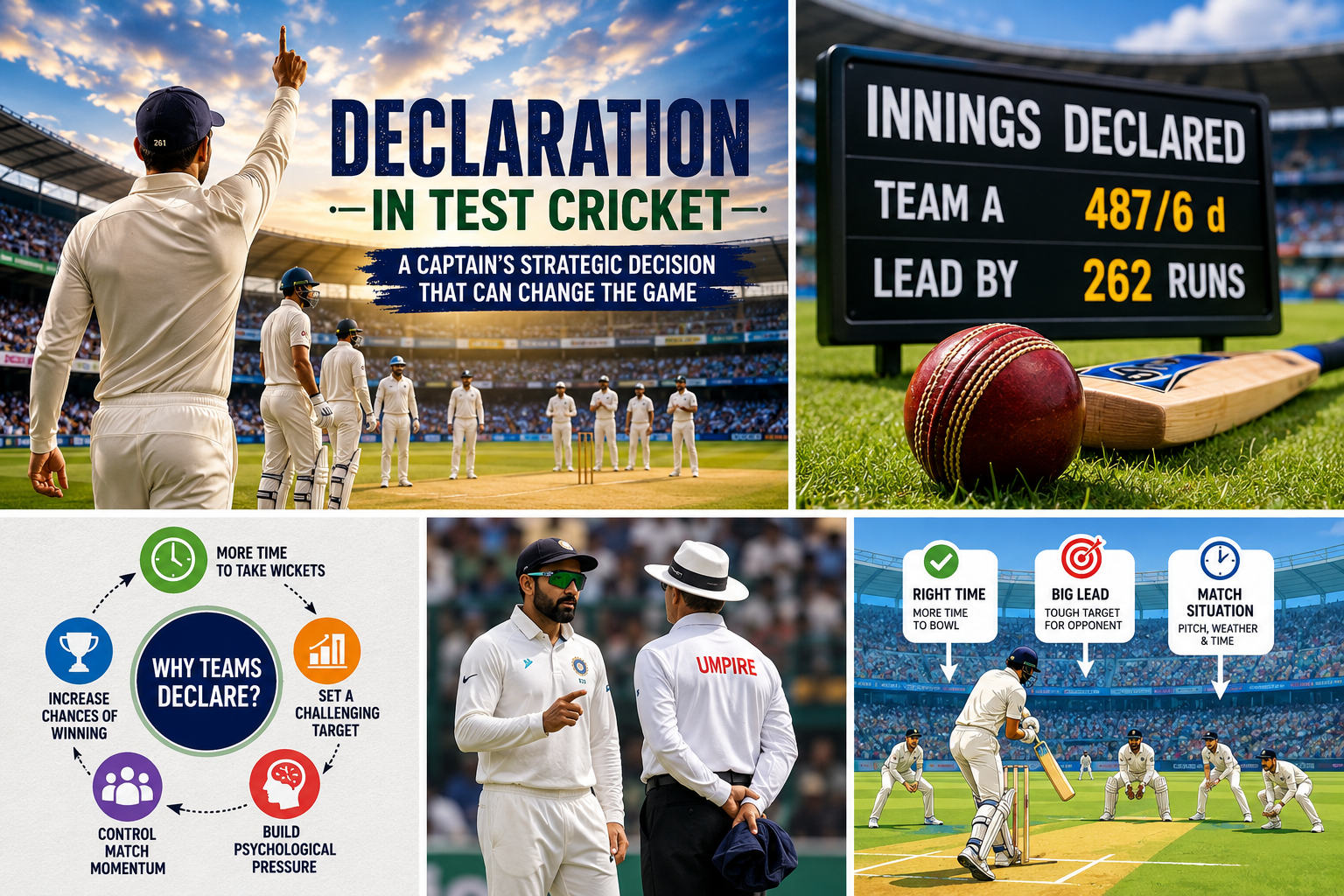
Declaration Rules in Test Cricket: Complete Guide for Fans

Cricket is filled with fascinating tactics, but few decisions influence the outcome of a Test match as dramatically as a declaration. A captain can spend hours building a dominant position only to make one crucial call that changes the entire match. That call is known as declaring an innings. For many new cricket fans, declaration…
-
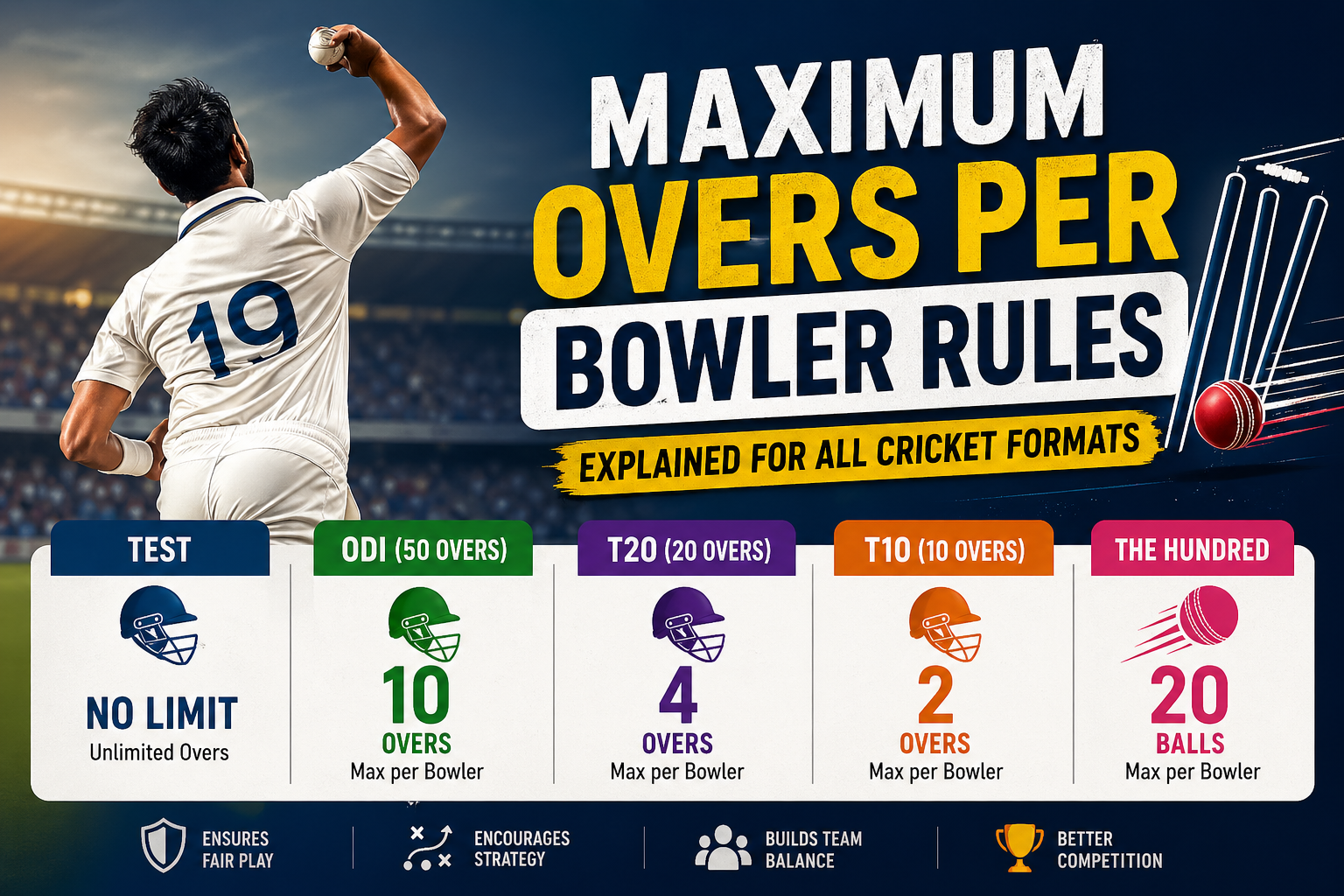
Maximum Overs Per Bowler Rules Explained for Beginners
If you are new to cricket, one question can feel confusing very quickly: Why doesn’t one great bowler bowl all the overs? If a team has a world-class fast bowler or mystery spinner, why not let them bowl every over and win the match? The answer lies in maximum overs per bowler rules, one of…
-
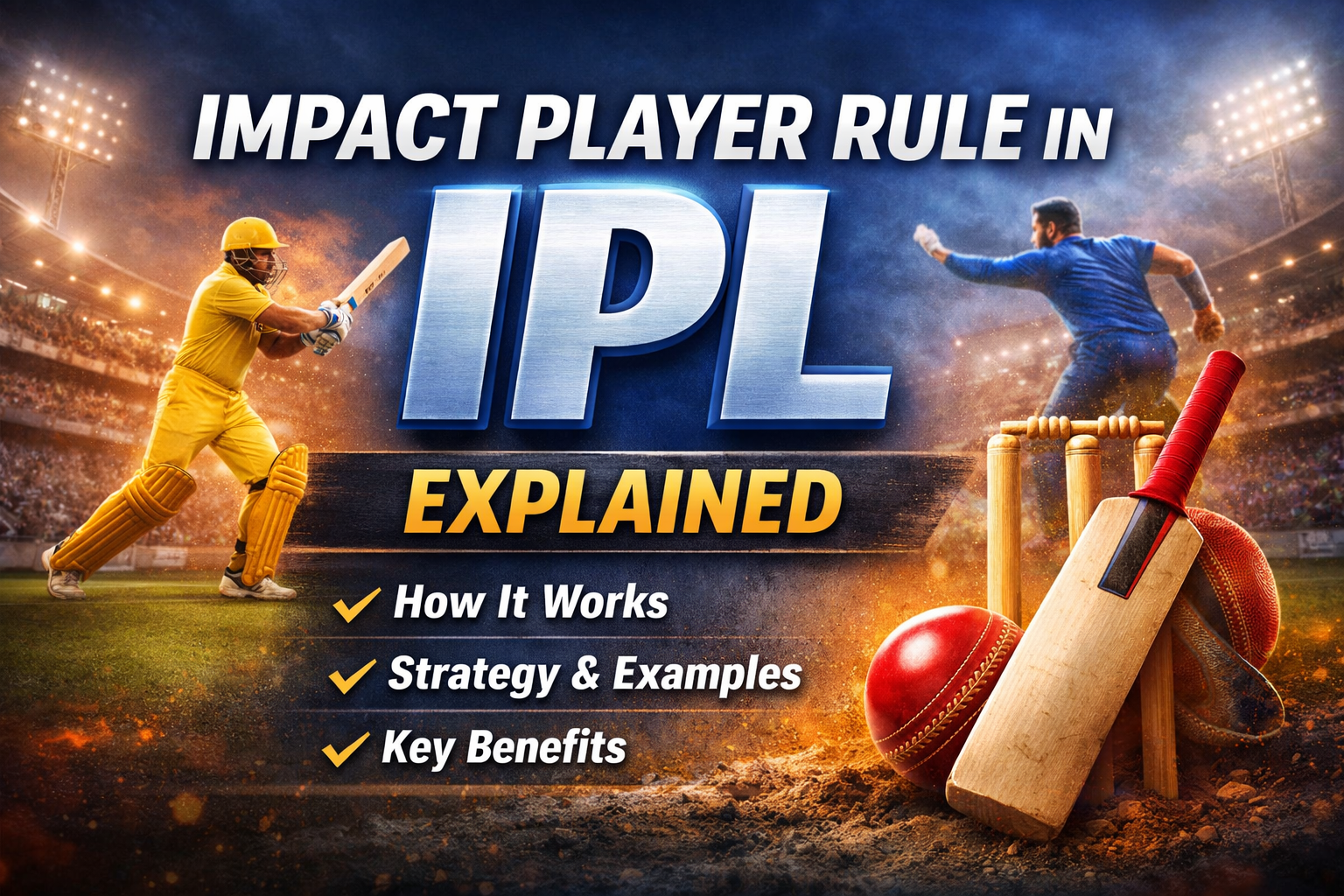
Impact Player Rule in IPL
The Impact Player Rule is one of the most significant tactical innovations in modern T20 cricket, introduced exclusively in the Indian Premier League. It has reshaped how teams approach batting, bowling, and match situations—turning every game into a dynamic, strategy-driven contest. What is the Impact Player Rule? The Impact Player Rule (IPL Exclusive) allows teams…
-
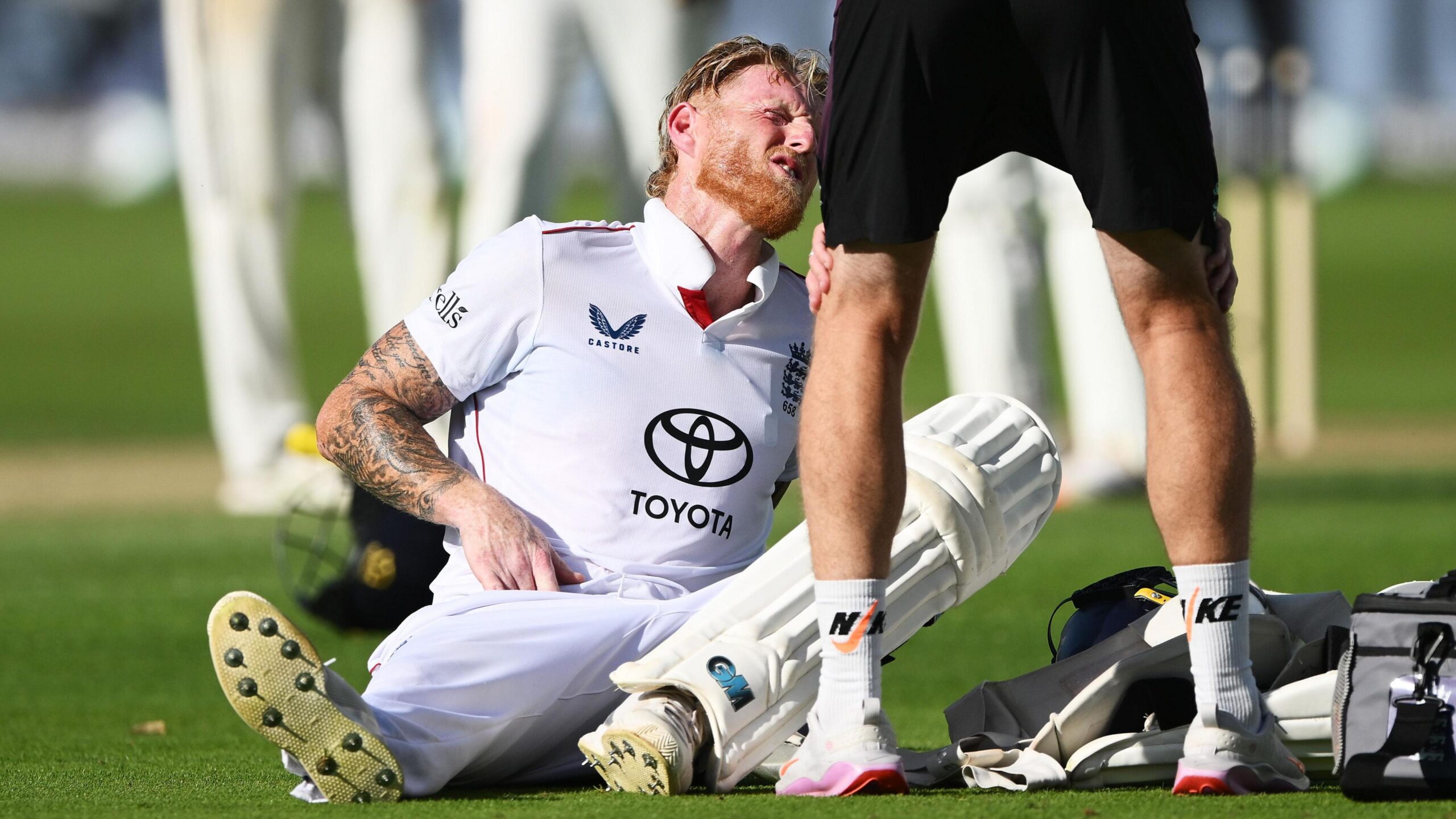
Retired Hurt vs Retired Out in Cricket

Cricket has many unique rules that can sometimes confuse new fans. Two such situations are Retired Hurt and Retired Out. While both involve a batsman leaving the field before getting dismissed, they are very different in terms of rules and impact on the match. You may have seen commentators say something like: “The batsman has…
-
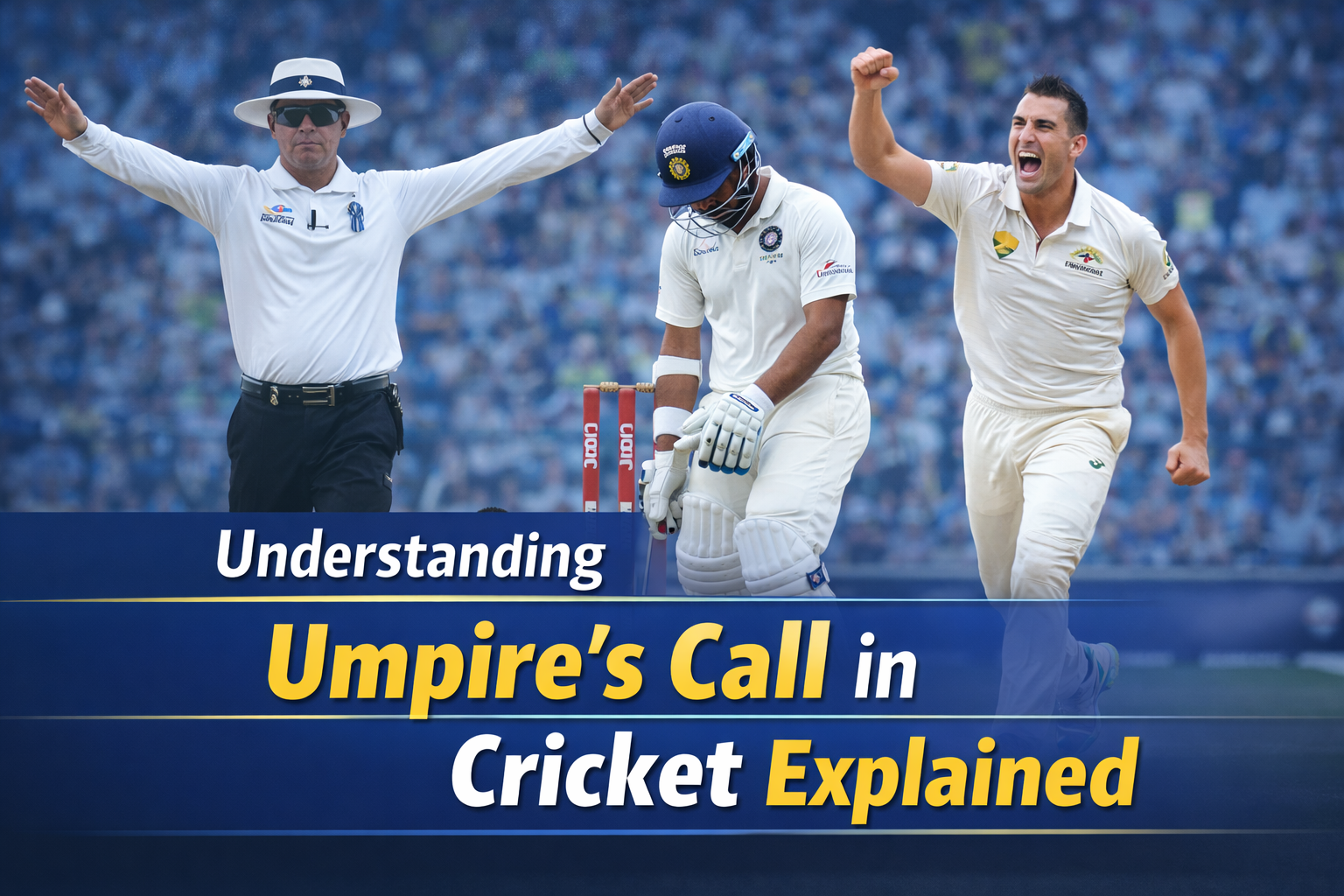
Umpire’s Call in Cricket Explained
Cricket has evolved significantly with the introduction of technology, and one of the most talked-about rules in modern cricket is Umpire’s Call. If you have watched matches that use the Decision Review System (DRS), you have likely heard commentators say “It’s Umpire’s Call.” But what does this actually mean? In simple terms, Umpire’s Call happens…
-
Reserve Day Rule in Cricket
Cricket is one of the most exciting sports in the world, but it has one major challenge that many other sports don’t face — weather interruptions. Rain can stop play for hours, sometimes even an entire day. When this happens during an important match, especially in tournaments, cricket authorities often use something called a Reserve…
-
Helmet on Field Rule in Cricket
Cricket has many small rules that new fans often miss. One such rule is the Helmet on Field Rule. If you watch closely during international matches, you will often see a helmet placed on the ground behind the wicketkeeper when a fast bowler is bowling. But have you ever wondered: In this article, we will…
-
Super Over in Cricket Explained: Complete Beginner Guide With Examples, Rules & FAQs

Cricket is one of the most exciting sports in the world, but it can also be confusing, especially for beginners. One of the most dramatic moments in modern cricket is the Super Over. If you have ever wondered what a Super Over is, why it happens, or how the Super Over rules work, this detailed…
-
No Ball Rule in Cricket Explained – All Types, Laws, Examples & Common Questions
Cricket is a game of fine margins. Sometimes a single illegal delivery can change the outcome of an entire match. One such delivery is the no-ball. If you have ever wondered what is a no ball rule in cricket, how a no ball works, or why umpires call no ball, this guide will explain everything…


FAQ’s
What are the basic Cricket Rules for beginners?
Cricket Rules involve two teams of 11 players each, with one batting to score runs and the other bowling/fielding. Matches occur on an oval field with wickets 22 yards apart, and games last from T20 (20 overs) to Test format (up to 5 days).
What is LBW in Cricket Rules?
LBW (Leg Before Wicket) under Cricket Rules dismisses a batsman if the ball hits their leg (not bat first), pitches in line with stumps, and would hit the wicket. No-balls can’t result in LBW.
How does DRS work in Cricket Rules?
DRS (Decision Review System) in Cricket Rules lets teams challenge umpire calls using tech like Hawk-Eye for LBW or edge detection. Each team gets 2-3 reviews per innings, with “umpire’s call” upholding close decisions.
What is DLS method in Cricket Rules?
DLS (Duckworth-Lewis-Stern) adjusts targets in rain-affected limited-overs matches under Cricket Rules, recalculating based on overs lost and wickets fallen for fair results.
What are the formats under Cricket Rules?
Cricket Rules cover Test (multi-day, unlimited overs), ODI (50 overs per side), and T20 (20 overs), each with unique pacing and strategies like powerplays.
Who governs Cricket Rules globally?
The MCC creates the Laws of Cricket, while ICC enforces them in internationals, updating for fairness like boundary or no-ball rules.