Cricket has many small rules that new fans often miss. One such rule is the Helmet on Field Rule.
If you watch closely during international matches, you will often see a helmet placed on the ground behind the wicketkeeper when a fast bowler is bowling.
But have you ever wondered:
- Why is the helmet placed there?
- Is it allowed?
- What happens if the ball hits the helmet?
In this article, we will explain everything about the Helmet on Field Rule in cricket using simple language, examples, and real match situations.
Table of Contents
What Is the Helmet on Field Rule?
The Helmet on Field Rule states that:
If the ball hits a helmet placed on the ground by the fielding side, the batting team automatically receives 5 penalty runs.
This rule exists to prevent fielding teams from using equipment to stop or deflect the ball unfairly.
The rule is defined in the Laws of Cricket by the Marylebone Cricket Club (MCC), the organization responsible for maintaining the official rules of cricket.
- Loading relevant tools…
Why Is a Helmet Placed Behind the Wicketkeeper?
Helmets are usually placed behind the wicketkeeper when spin bowlers are bowling.
This happens because:
- Close fielders like short leg or silly point wear helmets.
- When fast bowlers return to bowl, those fielders move away.
- The helmet needs to be placed somewhere safe and quickly accessible.
The safest place is behind the wicketkeeper, outside the main playing area.
This avoids:
- Players stepping on it
- Equipment lying randomly on the field
- Time wasted sending it off the ground
However, the helmet must be placed carefully so it does not interfere with play.
What Happens If the Ball Hits the Helmet?
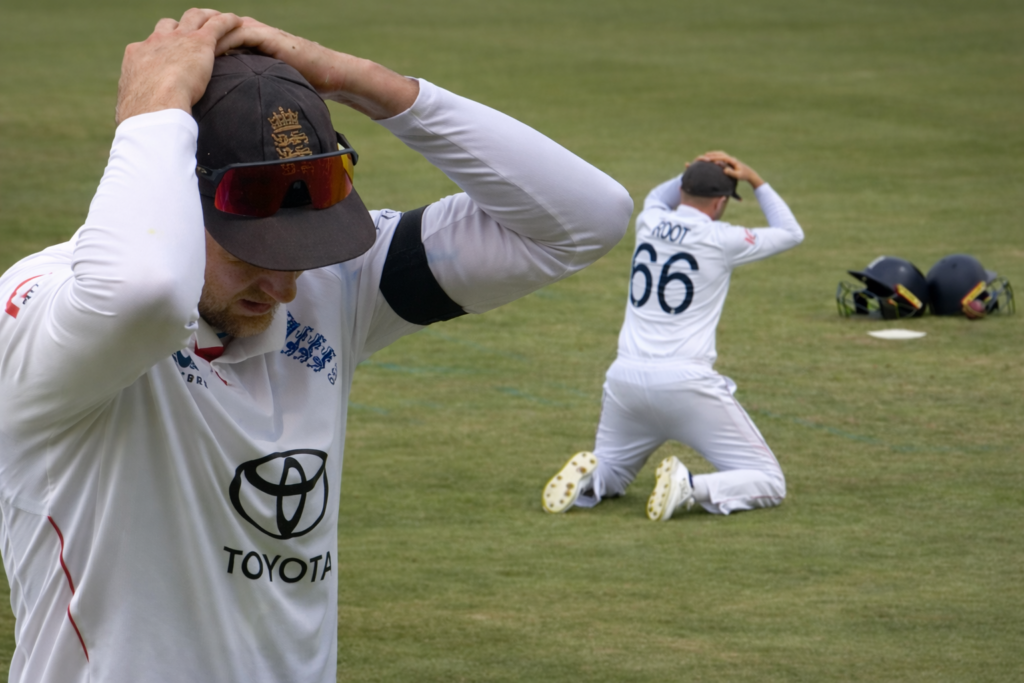
If a cricket ball hits the helmet placed on the field by the fielding side:
The batting team gets 5 penalty runs automatically.
This applies even if:
- The ball accidentally deflects into the helmet
- A fielder tries to stop the ball but it hits the helmet
- The ball ricochets off another player into the helmet
The umpire will immediately signal 5 penalty runs to the batting team.
Example Scenario
Let’s understand with a simple example.
Example 1
- A batsman hits a sweep shot
- The ball travels towards fine leg
- It accidentally hits the helmet kept behind the wicketkeeper
Result:
- The batting team gets 5 extra runs
- The ball becomes dead immediately
Even if the batsmen were running runs, the play stops.
Famous Example of Helmet Penalty Runs
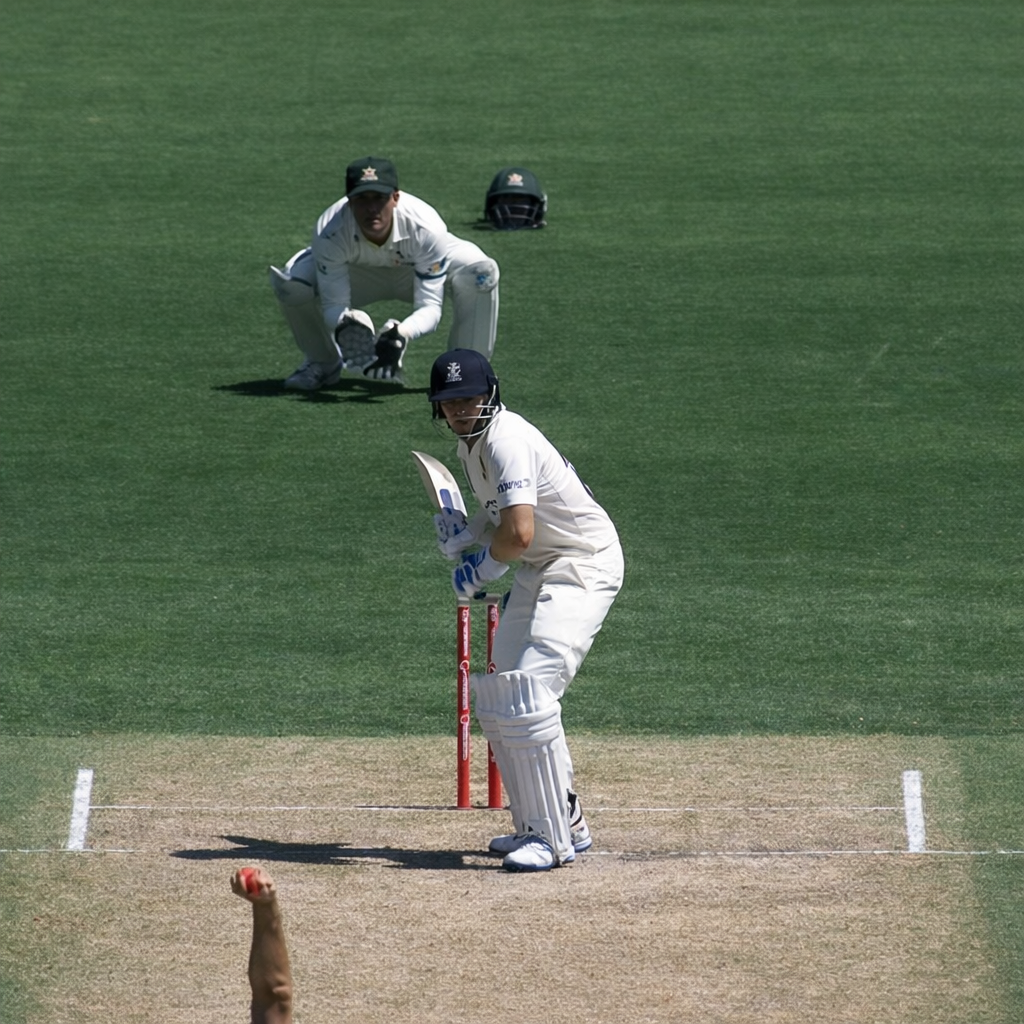
There have been multiple international matches where the ball has struck a helmet.
In such cases:
- Umpires instantly award 5 penalty runs
- Commentators often explain the rule to viewers
These moments often surprise new fans watching cricket for the first time.
Where Exactly Should the Helmet Be Placed?
According to cricket guidelines, helmets must be placed:
- Behind the wicketkeeper
- Near the boundary of the fielding circle
- Away from active play zones
Umpires can ask fielders to move the helmet if they believe it might interfere with the ball.
Why Does This Rule Exist?
The rule exists for fairness and safety.
Without this rule:
- Fielding teams could deliberately place helmets in ball paths
- Equipment could be used to stop boundaries
- Matches could become unfair
By awarding 5 penalty runs, cricket ensures that equipment cannot influence the game.
Important Points to Remember
Here are the key takeaways:
- Helmets can be kept on the field during play.
- They are usually placed behind the wicketkeeper.
- If the ball hits the helmet, the batting side gets 5 penalty runs.
- The ball becomes dead immediately.
- The rule is part of the official Laws of Cricket.
FAQ: Helmet on Field Rule
Why do players keep helmets on the field?
Players keep helmets on the field for convenience, especially when fielding close to the bat during spin bowling.
How many penalty runs are given if the ball hits the helmet?
The batting team receives 5 penalty runs
Does the ball remain live after hitting the helmet?
No. The ball becomes dead immediately.
Who made this rule?
The rule is defined in the Laws of Cricket by the Marylebone Cricket Club.
Can fielders deliberately place helmets to stop runs?
No. Doing so would result in penalty runs.
References
- MCC Laws of Cricket – https://www.lords.org/mcc/the-laws-of-cricket
- Dead Ball Law – https://www.lords.org/mcc/the-laws-of-cricket/dead-ball
- ICC Playing Conditions – https://www.icc-cricket.com/about/cricket/rules-and-regulations/playing-conditions
Disclaimer
This article explains cricket rules in simplified language for educational purposes. Official match decisions are always governed by the current Laws of Cricket and ICC playing conditions. Rules may change over time, and umpires’ decisions during matches are final.