
Super Over Score Predictor
Cricket Tools That Win Matches
Join 50,000+ fans using our free calculators & predictors daily
Table of Contents
The Super Over Score Predictor is an interactive and practical calculator that was created to predict the outcome of a Super over in any cricket match between your favorite teams, catering to all cricket fans. The predictor in this blog will provide you with the necessary information to enjoy cricket or gain insight into potential Super Over scores.
How to Use the Super Over Score Predictor
Using the Super Over Score Predictor is simple and intuitive:
- Select Team 1: Choose the first team playing the contest from a comprehensive list of international and major league teams.
- Select Team 2: The second team will automatically be limited to teams in the same category as Team 1 (e.g., international men’s teams, IPL teams).
- Choose the Batting First Team: Pick which team will bat first in the Super Over.
- Click “Predict Score”: The tool will display the predicted runs and wickets for both teams along with the likely winner or a tie scenario.
- Reset: To test other matchups or scenarios, click the Reset button to clear selections and start fresh.
This user-friendly interface ensures quick, clear predictions for any Super Over scenario.
What is a Super Over in Cricket?
Super Overs are an exciting form of a tiebreaker, used in the context of cricket matches where only one over is selected (e.g: T20, Twenty20). In ODIs or leagues where the main match ends with a tied score, there are also knockout matches and internationals. The Super Over trophy is awarded to the team that scores more runs in the Super Bowl, with both teams batting for a single, extra over (6 legal deliveries).
Why Does a Super Over Happen?
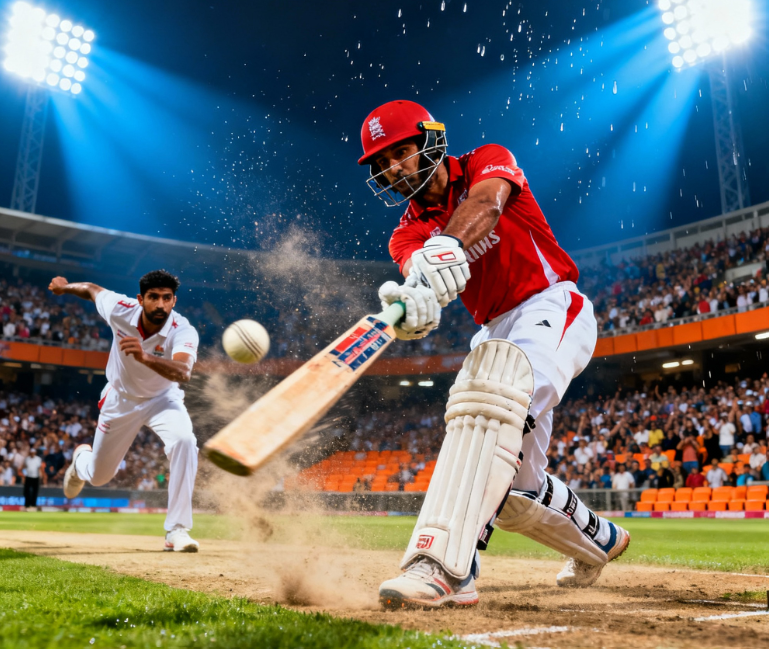
Super Overs happen to resolve tied matches where a winner is needed, often in knockout stages or finals of tournaments, leagues, or ICC events. Instead of declaring a draw or a tie, cricket authorities introduced the Super Over to deliver excitement and a decisive result in close contests.
Rules of the Super Over
- Each team gets one over (6 balls) to bat.
- Only three batsmen are allowed to bat; once two wickets fall, the over ends.
- The team batting second in the match bats second in the Super Over.
- The result is based on runs scored in the Super Over.
- Standard playing conditions and fielding restrictions apply as per the format.
What Happens if the Super Over Also Ties?
If the Super Over is tied, typically in knockout matches, successive Super Overs are played until one team outperforms the other. Different tournaments may have additional tie-breaker criteria such as boundary count before resorting to endless Super Overs.
FAQs
Can a Super Over end in a tie?
Yes, but in finals or knockout matches, additional Super Overs are used to decide the winner.
Is a Super Over used in Test cricket?
No, Super Overs are exclusive to limited overs formats like T20 and ODI.
Who chooses which team bats first in Super Over?
The team batting second in the main match always bats second in the Super Over.
Can the same bowler bowl consecutive Super Overs?
No, bowler restrictions apply and usually a different bowler must bowl subsequent Super Overs.
Are Super Over runs added to match totals?
No, Super Over runs determine only the tiebreak; they don’t add to the official score.
Reference Links for Further Reading
- ICC Official Playing Conditions – Super Over
- Wisden on Super Over Rules & History
- ESPN Cricinfo: What is a Super Over?
- Rules of Super Over – How It Decides Cricket Matches
Disclaimer
The predictions produced by the Super Over Score Predictor are based on random simulations and do not guarantee actual match outcomes. This tool is intended solely for entertainment and educational purposes. Cricket matches are influenced by numerous unpredictable factors that this calculator cannot account for.
Cricket Stance provides fantasy cricket tips for entertainment purposes only. Participation in paid contests is for users 18+ and subject to local laws.


