
Follow-On Calculator
Check whether the follow-on can be enforced in a Test match
Cricket Tools That Win Matches
Join 50,000+ fans using our free calculators & predictors daily
Test cricket, the most enduring form of the game, is celebrated for its complex rules and interesting strategies. One such strategic aspect is the follow-on, a forceful tactic that can turn the tables decisively. If you are a cricket fan knowing about the follow-on in test cricket and making the best use of our test cricket follow-on calculator will be vital.
This article discusses all you need to understand regarding the follow-on, why it matters in Test cricket, and how to get the best out of our calculator.
Table of Contents
How to Use the Follow-On Calculator
- Enter the number of runs scored by Team A in its first innings in the provided input box.
- Enter the number of runs scored by Team B in its first innings in the corresponding box.
- Select the match duration from the dropdown menu (for example, “5 Days (Standard Test)”) to set the threshold for follow-on eligibility.
- Click on the “Calculate” button to see whether Team A can enforce the follow-on.
If a follow-on is possible based on the lead and match duration, the calculator will display an appropriate message. If the lead is insufficient, it will indicate that the follow-on cannot be enforced.
Example Scenario
To use the Follow-On Calculator with a real-world example featuring India and Australia:
- Enter the number of runs scored by India (Team A) in their first innings—for instance, 381.
- Enter the number of runs scored by Australia (Team B) in their first innings—for instance, 162.
- Select the match duration as 5 Days (Standard Test) from the dropdown.
After clicking “Calculate,” the calculator will show the result:
- India’s lead is 381−162=219381−162=219 runs.
- Since the lead is more than 200 in a 5-day Test, India, as Team A, can enforce the follow-on against Australia.
This example demonstrates how to input actual team scores to see if the follow-on rule applies in a typical India vs Australia Test scenario, helping users make instant, informed decisions during any Test match situation.
What Is the Follow-On in Test Cricket?
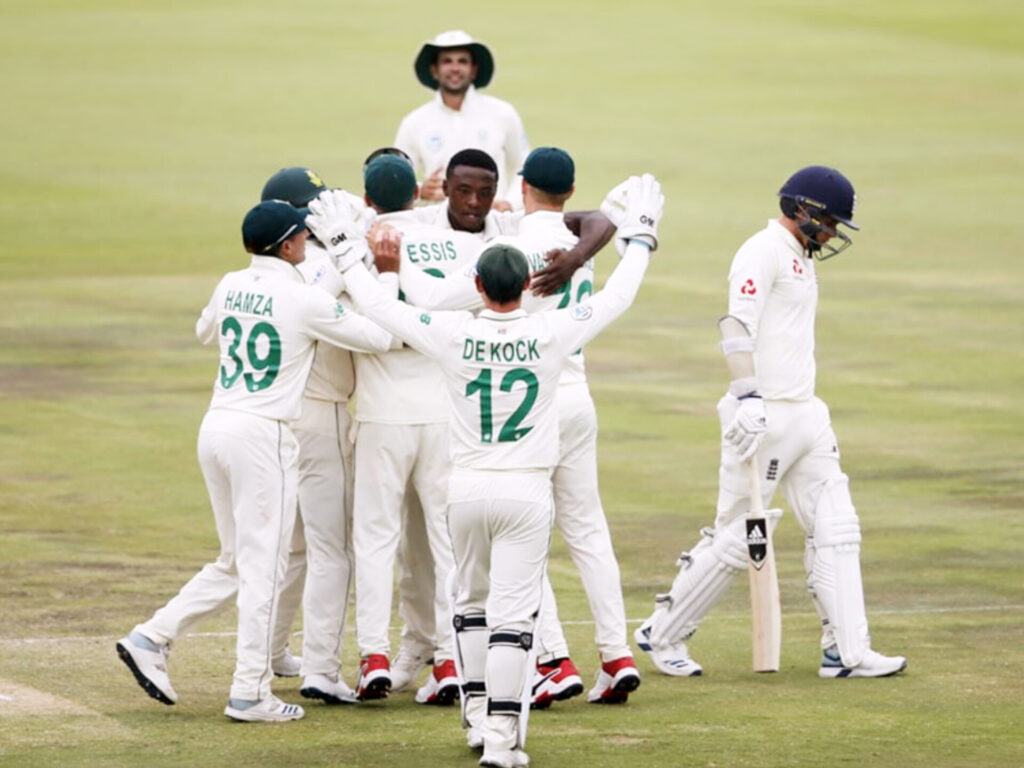
In Tests, both sides usually have two innings of batting and bowling. The follow-on is a provision that enables the team which bats first to impose a second batting session on the other side if the latter’s first innings total lags behind by a large margin.
In practice, if Team A is batting first and the opposing Team B makes significantly fewer runs in their first innings—so that Team A is at least 200 runs ahead in a typical five-day Test—the captain of Team A may impose the follow-on. This involves Team B having to bat again at once, skipping the conventional alternating innings sequence.
This strategic choice can speed up the progress of the game, allowing the front-runners to attempt to finish the match without having to bat once again themselves, particularly when time is of the essence because of weather disruptions or wear on the pitch.
Rules Governing the Follow-On
The rules for enforcing the follow-on vary depending on the duration of the Test match:
| Match Duration | Minimum Lead Required to Enforce Follow-On |
|---|---|
| 5 days (Standard) | 200 runs |
| 3 or 4 days | 150 runs |
| 2 days | 100 runs |
| 1 day | 75 runs |
If the minimum lead is not met, the follow-on cannot be enforced.
FAQs about Follow-On in Test Cricket
Can the follow-on be enforced automatically?
No, it is optional. The captain of the leading team decides whether to enforce it.
What factors influence a captain’s decision not to enforce the follow-on?
Factors include bowler fatigue, pitch deterioration, weather conditions, and strategic considerations in a series context.
Does the follow-on apply in all cricket formats?
No, it applies primarily in Test cricket and other multi-day matches with two innings per side.
Where can I learn the official rules regarding the follow-on?
The Laws of Cricket, particularly Law 14, outline the conditions and regulations for enforcing the follow-on.
References
Disclaimer
The information provided here is for educational and informational purposes. For official match decisions, always refer to the Laws of Cricket and match officials. This content does not guarantee match outcomes or decisions made on the field.
Cricket Stance provides fantasy cricket tips for entertainment purposes only. Participation in paid contests is for users 18+ and subject to local laws.


