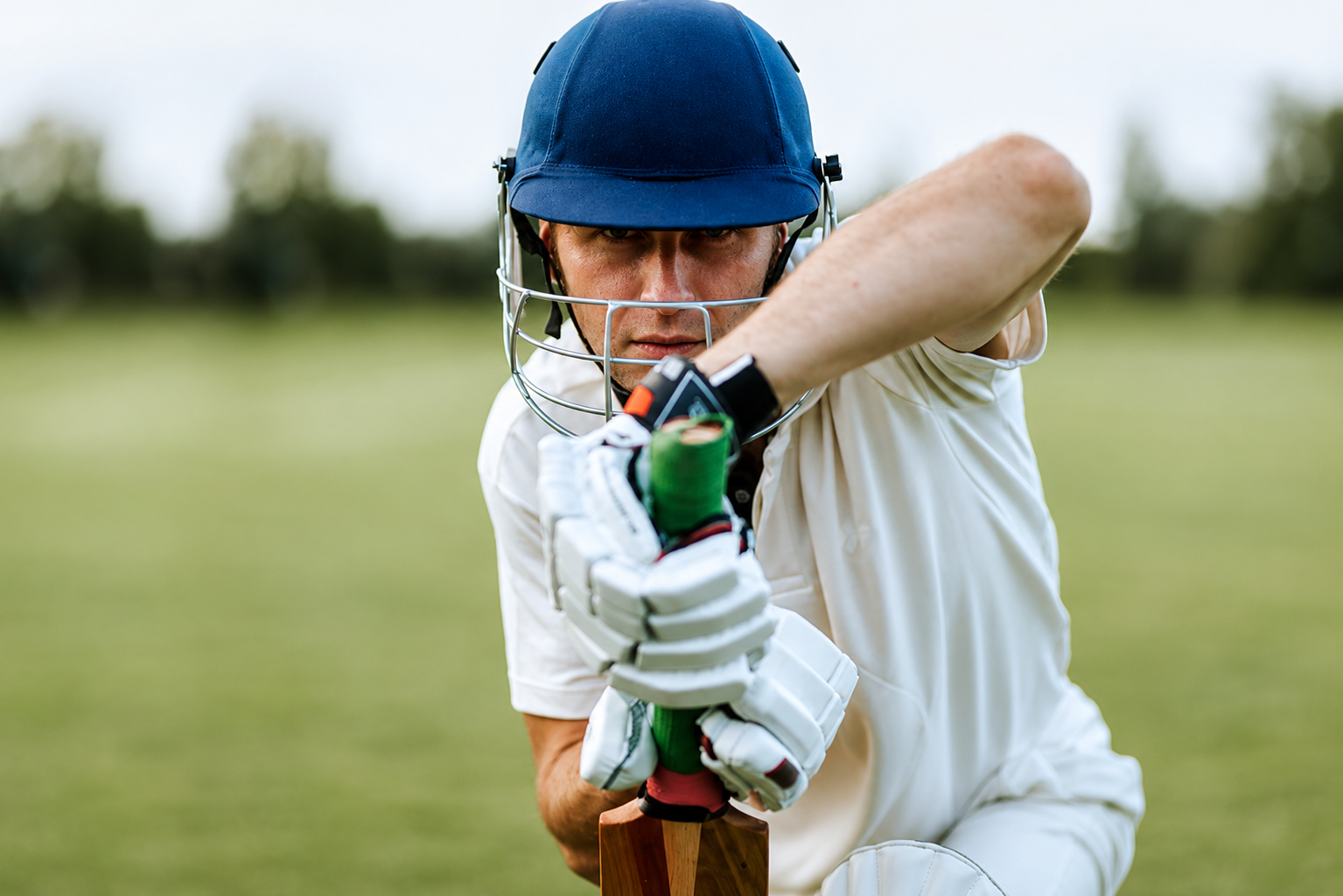
Cricket has many unique rules that can sometimes confuse new fans. Two such situations are Retired Hurt and Retired Out. While both involve a batsman leaving the field before getting dismissed, they are very different in terms of rules and impact on the match.
You may have seen commentators say something like:
“The batsman has retired hurt.”
or
“The player has retired out for tactical reasons.”
But what exactly do these terms mean? Can the batsman return to bat? Does the team lose a wicket?
In this guide, we will explain Retired Hurt vs Retired Out in cricket, the official rules, when they happen, and famous examples from international cricket.
Table of Contents
What Does Retired Hurt Mean in Cricket?
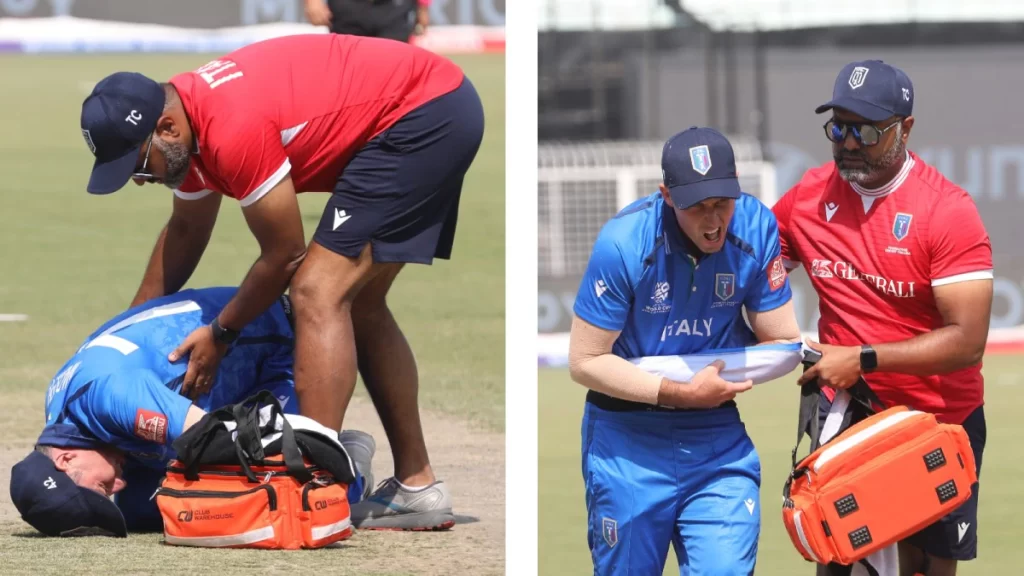
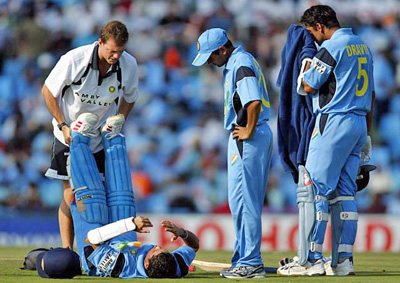
Retired Hurt happens when a batsman leaves the field because of an injury, illness, or physical discomfort while batting.
The key point is that the batsman is not considered out.
Instead, the batsman temporarily leaves the field to receive medical attention.
Key Rules of Retired Hurt
- The batsman is not counted as dismissed
- The team does not lose a wicket
- The batsman can return later to continue batting
- If the innings ends before they return, their score remains “retired hurt”
Simple Example
Imagine a batsman gets hit on the hand by a fast ball and cannot continue batting immediately.
They may leave the field to receive treatment and return later if possible.
Scorecard example:
Player Name – 45 (Retired Hurt)
Why Do Batsmen Retire Hurt?
Retired hurt usually happens due to physical issues such as:
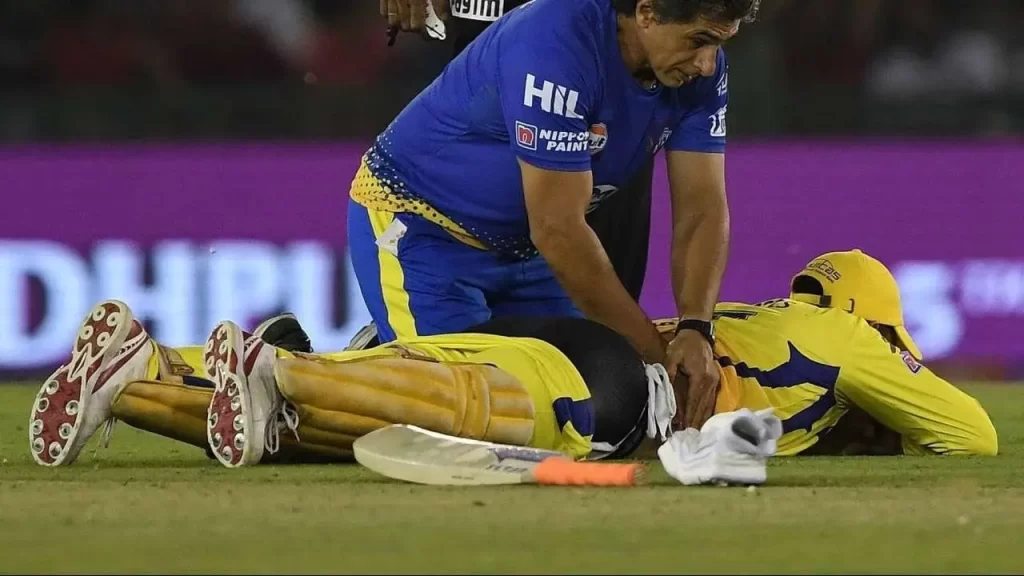
- Getting hit by the ball
- Muscle cramps
- Heat exhaustion
- Breathing problems
- Hamstring injuries
Fast bowlers can bowl above 140 km/h, so injuries are not uncommon in cricket.
Can a Retired Hurt Batsman Return?
Yes.
This is the most important rule.
A retired hurt batsman can return later in the innings when they are fit to continue.
However, they can only return after another batsman gets out or retires.
This ensures that batting order rules remain fair.
What Does Retired Out Mean in Cricket?
Retired Out is completely different.
In this situation, the batsman voluntarily leaves the field without being injured.
This is usually done for strategic reasons.
When a batsman retires out:
- They are considered dismissed
- The team loses a wicket
- The batsman cannot return to bat
This rule was rarely used in international cricket for many years, but it has become more common in T20 leagues.
Why Would a Batsman Retire Out?
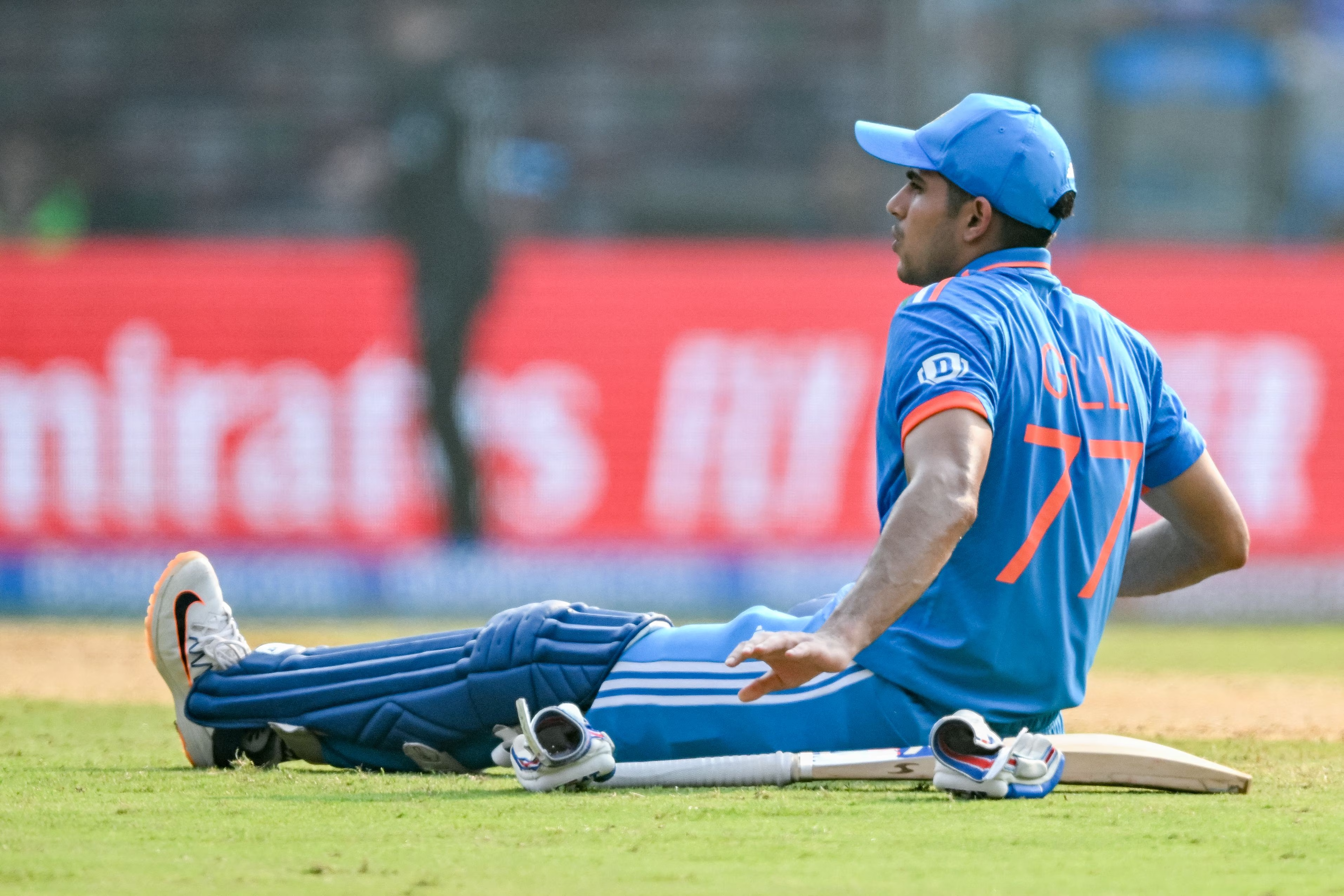
Teams sometimes use this strategy when:
- A batsman is struggling to score quickly
- The team needs a more aggressive player
- The match situation demands faster scoring
Example:
A player is batting slowly in a T20 match. The captain may ask them to retire out so a big hitter can come in.
Famous Example of Retired Out
One of the most famous examples happened in the Indian Premier League (IPL).
In IPL 2022, Ravichandran Ashwin became the first player in IPL history to retire out during a match for tactical reasons.
This strategic move surprised many fans but showed how teams use new tactics in modern cricket.
Retired Hurt vs Retired Out: Key Differences
Here is a simple comparison to understand the difference.
| Feature | Retired Hurt | Retired Out |
|---|---|---|
| Reason | Injury or illness | Tactical decision |
| Is the batsman out? | No | Yes |
| Can the batsman return? | Yes | No |
| Team loses wicket? | No | Yes |
| Common in cricket? | Yes | Rare but growing |
This table makes it easy to see why the two terms are not interchangeable.
Why Retired Out Is Becoming More Common
Modern cricket, especially T20 cricket, focuses heavily on strategy.
Teams constantly look for ways to maximize scoring.
Retiring a batsman strategically allows teams to:
- Bring in power hitters
- Increase scoring rate
- Adapt to match situations
Because of this, retired out tactics are slowly becoming more common in franchise leagues.
Are Retired Hurt and Retired Out Part of Official Cricket Laws?
Yes.
These situations are covered in the Laws of Cricket maintained by the Marylebone Cricket Club.
According to the laws:
- Law 25.4 deals with retired batsmen.
- It explains both retired hurt and retired out scenarios.
International matches follow these laws under regulations from the International Cricket Council.
Why These Rules Matter in Cricket
Understanding these rules helps fans better follow matches.
It also highlights how cricket balances player safety and strategy.
- Retired hurt protects injured players
- Retired out allows tactical flexibility
Both rules show how the sport continues to evolve while maintaining fairness.
FAQ
What is the difference between retired hurt and retired out in cricket?
Retired hurt occurs when a batsman leaves due to injury and can return later, while retired out is a voluntary tactical decision where the batsman is counted as dismissed and cannot return.
Does retired hurt count as a wicket?
No. A retired hurt batsman is not counted as dismissed, and the team does not lose a wicket.
Can a retired out batsman return to bat?
No. Once a batsman retires out, they are considered out and cannot return.
Who was the first player to retire out in IPL?
Ravichandran Ashwin was the first player to retire out in the IPL during the 2022 season.
Is retired hurt common in cricket?
Yes. It happens occasionally when players suffer injuries during batting.
Reference Links
- https://www.lords.org/mcc/the-laws-of-cricket
- https://www.icc-cricket.com
- https://www.espncricinfo.com
Disclaimer
This article is written for educational purposes to explain the Retired Hurt and Retired Out rules in cricket. Match regulations may vary slightly depending on the tournament rules set by cricket governing bodies such as the ICC or domestic boards.