Cricket is a game filled with subtle rules that can dramatically influence the outcome of a match. While most players understand boundaries, wickets, no-balls, and wides, many batters still get confused about one important aspect of the game—Dead Ball Situations for Batters.
Imagine hitting what appears to be a perfect shot only to discover that the umpire had already called “Dead Ball.” Or consider a situation where a batter leaves the crease, assuming play has stopped, only to find themselves in a dangerous position. Understanding when a ball becomes dead can save runs, prevent dismissals, and eliminate unnecessary confusion on the field.
Whether you’re a beginner learning cricket, a club player, a fantasy cricket enthusiast, or simply a fan wanting to understand the game’s finer details, knowing the rules surrounding dead balls is essential.
This comprehensive guide explains everything about Dead Ball Situations for Batters, including the official laws, practical examples, common mistakes, and expert insights.
Table of Contents
What is Dead Ball Situations for Batters?
Featured Snippet Definition
Dead Ball Situations for Batters refer to circumstances in cricket where the umpire declares the ball no longer in play, meaning batters cannot score runs, be dismissed through normal play, or continue active gameplay until the next delivery.
In simple terms, once the umpire calls a dead ball, the current delivery effectively ends. Any action that occurs afterward generally does not count toward the match outcome.
The concept exists to ensure fairness, safety, and clarity during a cricket match.
Under the laws of cricket, a ball may become dead for numerous reasons, including:
- Completion of a delivery
- Boundary scored
- Wicket taken
- Batter not ready
- Serious injury
- Interruption of play
- Equipment malfunction
- Umpire intervention
Understanding these situations helps batters react correctly and avoid costly errors.
Why It Matters
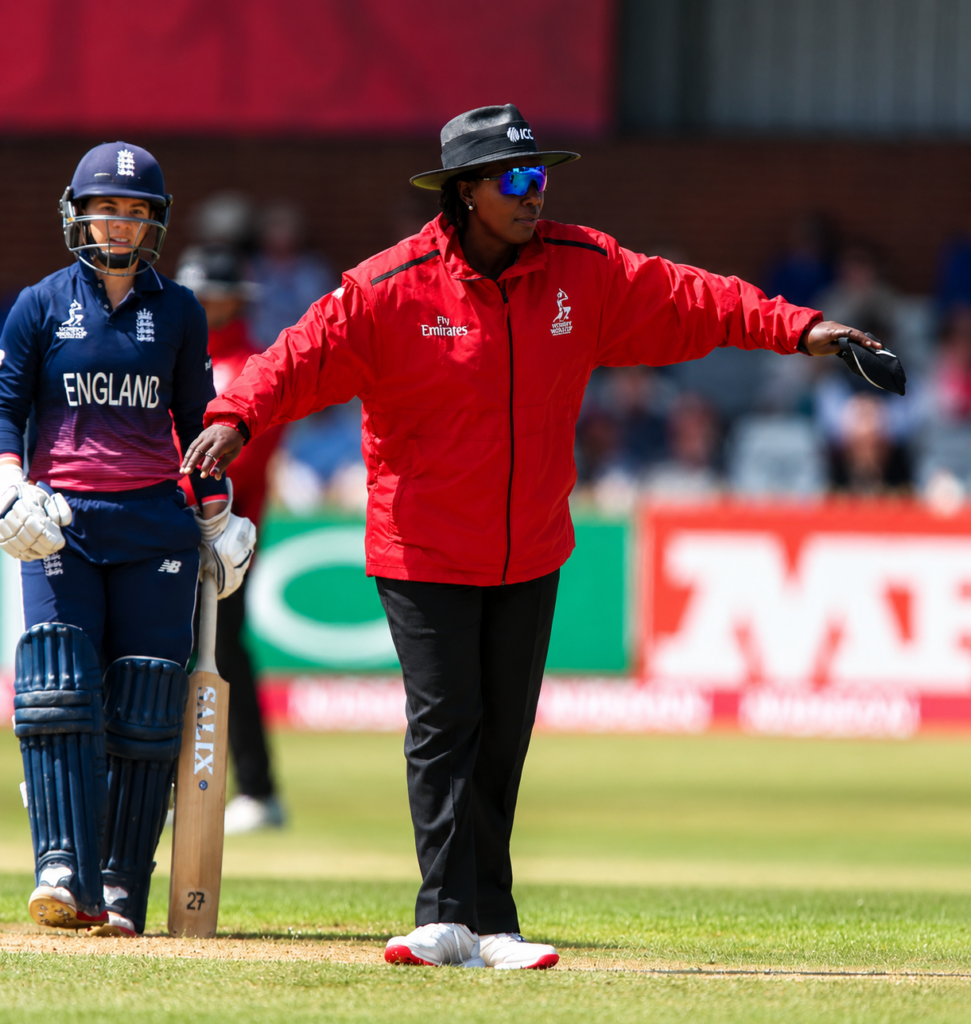
Many cricket matches—from local club games to international contests—have witnessed confusion because players misunderstood whether the ball was live or dead.
For batters, this knowledge is particularly important because it affects:
- Scoring opportunities
- Run-out situations
- Dismissal chances
- Strategic decision-making
- Communication between batting partners
A single misunderstanding can result in:
- Lost runs
- Missed scoring opportunities
- Unnecessary appeals
- Disputes with umpires
Professional cricketers spend considerable time understanding cricket laws because small details often decide close matches.
Key Benefits
Understanding Dead Ball Situations for Batters provides several advantages.
1. Improved Match Awareness
Batters become more conscious of game situations and umpire signals.
2. Better Decision-Making
Knowing when the ball is dead helps players decide whether to run, remain in the crease, or prepare for the next delivery.
3. Reduced Risk of Dismissal
Many amateur players get into trouble because they assume the ball is dead when it is actually still live.
4. Stronger Communication
Batting partnerships improve when both players understand the status of the ball.
5. Increased Confidence
Knowledge of cricket laws helps batters play with greater confidence under pressure.
Common Challenges
Despite being an important rule, dead ball situations frequently confuse players.
Some common challenges include:
Misinterpreting Umpire Signals
Not every pause in play means the ball is dead.
Assuming a Dot Ball Is Automatically Dead
A ball remains live until the over is complete and play has naturally concluded.
Confusion During Fielding Errors
Overthrows and misfields can keep the ball alive longer than expected.
Batter Readiness Issues
Many players do not understand what happens when they are not prepared for delivery.
Equipment Interruptions
Protective gear falling off or equipment failure often creates uncertainty.
Step-by-Step Guide
Let’s examine the most important Dead Ball Situations for Batters.
1. Ball Settles in Wicketkeeper’s or Bowler’s Hands
When the ball has clearly come to rest and no further action is possible, the umpire may consider the delivery complete.
Example:
- Batter defends the ball.
- Wicketkeeper collects it.
- No run is attempted.
- Play naturally concludes.
The ball is then declared dead.
2. Boundary Is Scored
Once the ball reaches the boundary:
- Four runs are awarded if it touches the ground before crossing.
- Six runs are awarded if it clears the boundary on the full.
The ball immediately becomes dead.
Batters cannot run additional runs after the boundary is scored.
3. Wicket Falls
A ball generally becomes dead after a dismissal.
Examples include:
- Bowled
- Caught
- LBW
- Stumped
- Run out
The exact timing depends on the nature of the dismissal and subsequent actions.
4. Batter Is Not Ready
The umpire may call dead ball if:
- The striker is not prepared.
- The bowler delivers before the batter is ready.
- The situation is considered unfair.
This protects batters from being disadvantaged.
5. Serious Injury During Play
Player safety always takes priority.
The umpire may immediately call dead ball if:
- A batter suffers an injury.
- A fielder is seriously hurt.
- Medical attention is required.
6. External Interference
Unexpected interruptions can result in a dead ball.
Examples include:
- Spectators entering the field
- Animals running onto the ground
- Objects interfering with play
- Security incidents
7. Equipment Malfunction
The ball may be declared dead if:
- The batter loses protective equipment.
- Bails fall without contact.
- Equipment breaks unexpectedly.
This prevents unfair outcomes.
8. Umpire Intervention
The umpire has authority to stop play whenever necessary.
Reasons may include:
- Unfair conditions
- Safety concerns
- Administrative issues
- Rule enforcement
Practical Examples
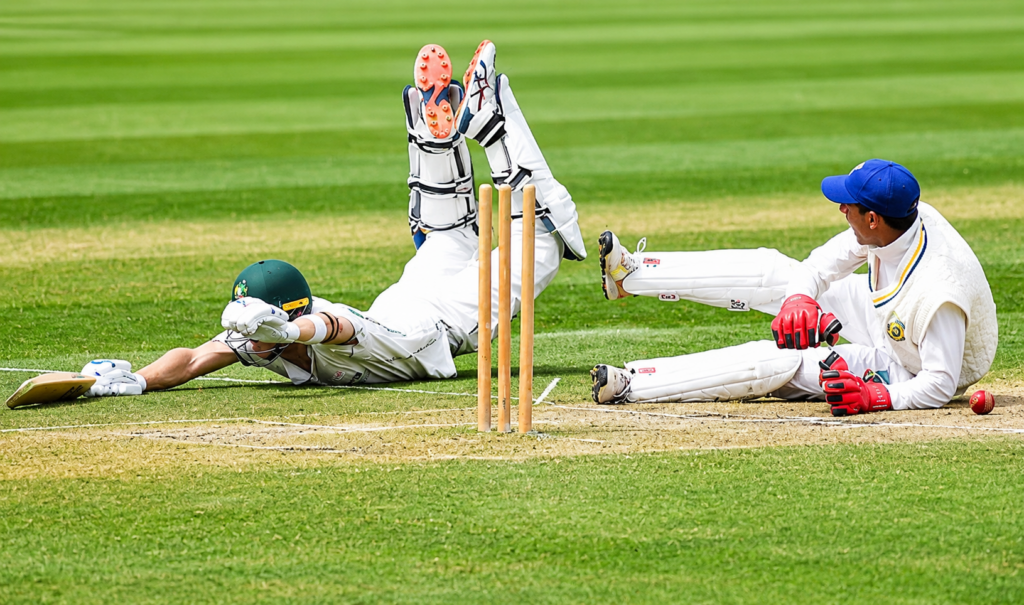
Understanding theory is useful, but real-world scenarios help clarify the law.
Example 1: Batter Leaves the Crease Too Early
A batter blocks the ball and assumes the delivery is complete.
However:
- The wicketkeeper still has the ball.
- No dead ball call has been made.
If the batter wanders out of the crease carelessly, a dismissal may still occur depending on the situation.
Lesson:
Always wait for the ball to clearly become dead.
Example 2: Helmet Falls Off
A batter’s helmet becomes loose during a delivery.
The umpire notices a safety concern and calls dead ball.
Result:
- Play stops.
- No unfair advantage is gained.
- Equipment is corrected.
Example 3: Dog Runs Onto the Ground
The batter strikes a shot into the outfield.
Before fielders can retrieve it, a dog runs across the field and interferes.
The umpire may declare dead ball and determine the appropriate outcome.
Example 4: Batter Not Ready
The bowler delivers quickly while the batter is still adjusting gloves.
The umpire decides the batter was not ready.
Result:
- Dead ball called.
- Delivery does not count.
Example 5: Serious Injury
A fast delivery strikes the batter painfully.
The umpire immediately halts play due to medical concerns.
Player welfare takes precedence over the continuation of the delivery.
Comparison Table
| Situation | Ball Dead? | Runs Allowed? | Batter Can Be Dismissed? |
|---|---|---|---|
| Boundary scored | Yes | Boundary only | No |
| Batter not ready | Yes | No | No |
| Serious injury | Yes | No | No |
| Ball resting with keeper | Usually Yes | No | No |
| Spectator interference | Yes | Depends on umpire decision | No |
| Wicket falls | Yes | Depends on dismissal type | Already dismissed |
| Equipment failure | Often Yes | No | No |
| Live overthrow | No | Yes | Yes |
Best Practices
To handle dead ball situations correctly, batters should follow several best practices.
Listen for the Umpire
The umpire’s call is final.
Never assume a ball is dead simply because action appears to have stopped.
Stay Alert
Remain focused until play has clearly ended.
Communicate with Your Partner
Quick communication prevents misunderstandings.
Learn the Laws
Familiarity with cricket laws gives players a competitive advantage.
Watch Professional Cricket
International matches often showcase unusual dead ball situations that provide valuable learning opportunities.
Common Mistakes to Avoid
Many batters repeatedly make the same errors.
Leaving the Crease Prematurely
One of the most common mistakes at amateur levels.
Ignoring Umpire Signals
Players sometimes react before the umpire has made a decision.
Assuming Every Dot Ball Is Dead
The ball may still be live after a defensive shot.
Not Understanding Rare Scenarios
Unusual situations can create confusion if players have never encountered them before.
Arguing Instead of Learning
Understanding the law is more productive than disputing decisions.
Expert Tips
After studying cricket laws and observing countless matches, several practical lessons stand out.
Treat Every Ball as Live
Until you hear or see a clear indication otherwise, assume the ball remains in play.
Learn MCC Laws
The official laws provide precise explanations for complex situations.
Observe Umpire Body Language
Experienced umpires often indicate the end of play before verbally calling it.
Practice Match Awareness
Situational awareness separates good batters from great batters.
Understand Local Playing Conditions
League competitions occasionally have specific playing regulations that supplement standard laws.
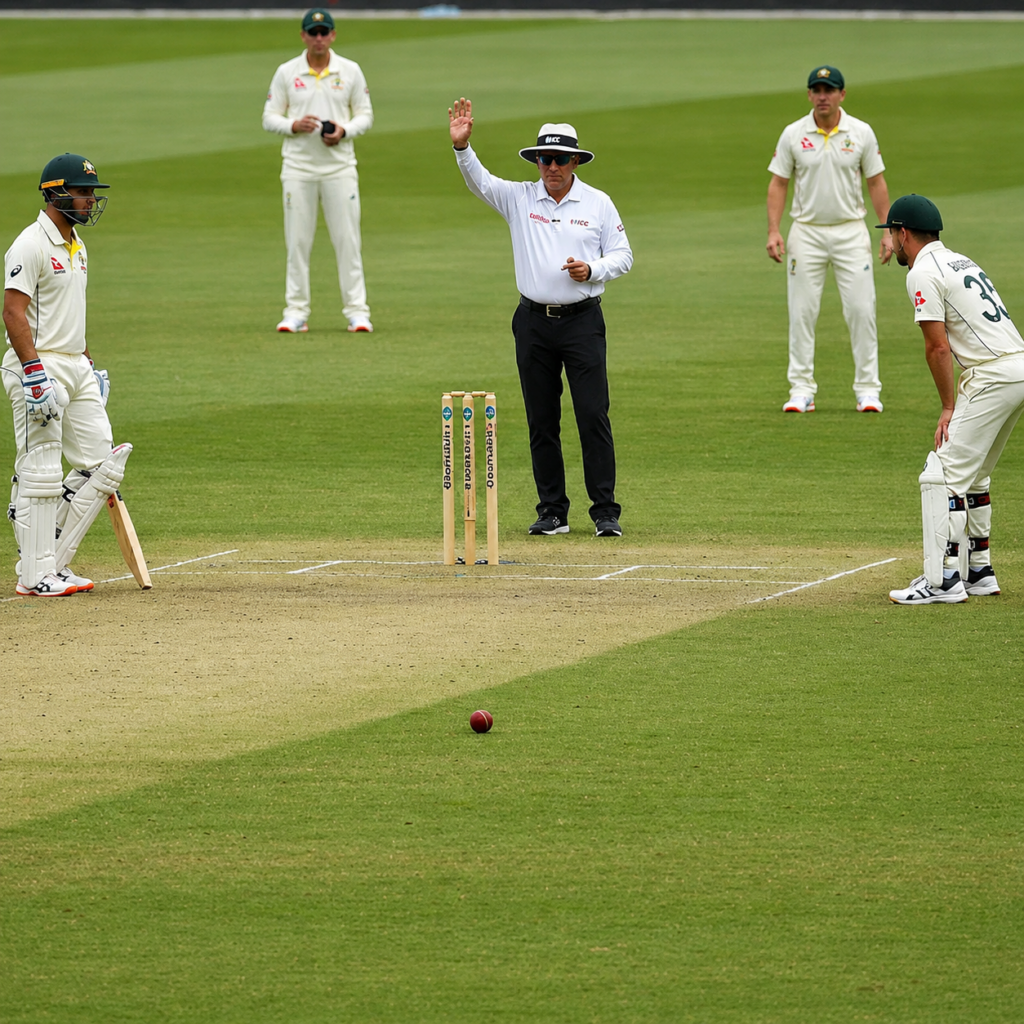
Frequently Asked Questions
What does dead ball mean in cricket?
A dead ball means the delivery is no longer in play, and normal gameplay actions stop until the next ball is bowled.
Can a batter score runs after a dead ball is called?
No. Once the umpire declares the ball dead, further runs generally cannot be scored from that delivery.
Can a batter be dismissed after a dead ball?
In most situations, no. A dead ball ends active play.
Does a boundary automatically make the ball dead?
Yes. Once a boundary is completed, the ball immediately becomes dead.
What happens if the batter is not ready?
The umpire may call dead ball if satisfied that the batter was not prepared to receive the delivery.
Can weather conditions cause a dead ball?
Yes. Dangerous weather, poor visibility, or unsafe playing conditions may result in play being stopped.
Who decides whether the ball is dead?
The on-field umpire has the authority to determine when a ball becomes dead.
Is the dead ball rule the same in all cricket formats?
The fundamental law remains consistent across Test cricket, One Day Internationals, and T20 cricket, although competition regulations may vary slightly.
Can fielding interference result in a dead ball?
Yes. External interference can lead the umpire to declare the ball dead.
Why should batters understand dead ball situations?
Understanding these situations helps avoid dismissals, improves decision-making, and ensures compliance with cricket laws.
Final Thoughts
Cricket’s beauty lies in its details, and Dead Ball Situations for Batters represent one of those subtle yet crucial aspects of the game. While casual fans often focus on boundaries and wickets, experienced players know that understanding the laws can be the difference between success and failure.
The safest approach is simple: never assume the ball is dead until the umpire indicates it or the situation clearly meets the requirements of the law. Staying alert, communicating effectively, and learning the official regulations will make you a smarter and more confident batter.
Whether you’re playing school cricket, club cricket, fantasy leagues, or simply following international matches, a strong understanding of dead ball situations will deepen your appreciation of the game and help you make better decisions on the field.
References
- Marylebone Cricket Club (MCC) Laws of Cricket
URL: https://www.lords.org/mcc/the-laws-of-cricket - International Cricket Council (ICC)
URL: https://www.icc-cricket.com - MCC Law 20 – Dead Ball
URL: https://www.lords.org/mcc/the-laws-of-cricket/dead-ball - ICC Playing Conditions
URL: https://www.icc-cricket.com/about/cricket/rules-and-regulations - ECB Coaching Resources
URL: https://www.ecb.co.uk - Cricket Australia Learning Hub
URL: https://www.cricket.com.au - Wisden Cricket Almanack
URL: https://www.wisden.com - England and Wales Cricket Board Laws Guidance
URL: https://www.ecb.co.uk/about/policies/regulations
Disclaimer
Educational Disclaimer
This article is intended for educational and informational purposes only. Cricket laws and playing conditions may be updated by governing bodies such as the MCC, ICC, or local cricket associations. Players, coaches, and officials should always refer to the latest official Laws of Cricket and competition-specific regulations for authoritative guidance.


