Cricket is one of the most exciting sports in the world, but it has one major challenge that many other sports don’t face — weather interruptions. Rain can stop play for hours, sometimes even an entire day. When this happens during an important match, especially in tournaments, cricket authorities often use something called a Reserve Day.
If you are new to cricket or only watch major tournaments like the World Cup, you may have heard commentators say: “The match will continue on the reserve day.” But what exactly does that mean?
In this detailed guide, we will explain the Reserve Day rule in cricket, when it is used, how it works, and why it is important for major tournaments.
Table of Contents
What Is a Reserve Day in Cricket?
A reserve day in cricket is an extra day scheduled to continue or complete a match if it cannot be finished on the original match day due to weather or other interruptions.
In simple terms:
- If rain stops the match completely
- Or if the match cannot finish on time
- The remaining game continues on the reserve day
This rule is mostly used in important knockout matches or finals where a clear winner must be determined.
Simple Example
Imagine a World Cup final scheduled for Sunday.
If heavy rain stops the game and it cannot be completed, the match continues on Monday (the reserve day) from where it stopped.
- Loading relevant tools…
Why Does Cricket Have a Reserve Day?
Cricket matches, especially ODIs and T20 matches, require several hours to complete. Weather interruptions can make it impossible to finish the game in a single day.
Without a reserve day, organizers would face serious problems such as:
- Matches ending without a result
- Finals being shared between teams
- Tournament fairness being questioned
The reserve day ensures that teams get a fair chance to complete the match.
Key Reasons Reserve Days Exist
- To avoid no-result matches in finals
- To ensure fair competition
- To determine a clear winner
- To prevent weather from deciding tournaments
When Are Reserve Days Used?
Reserve days are not used in every cricket match. They are mainly used in important tournament matches.
Common Matches With Reserve Days
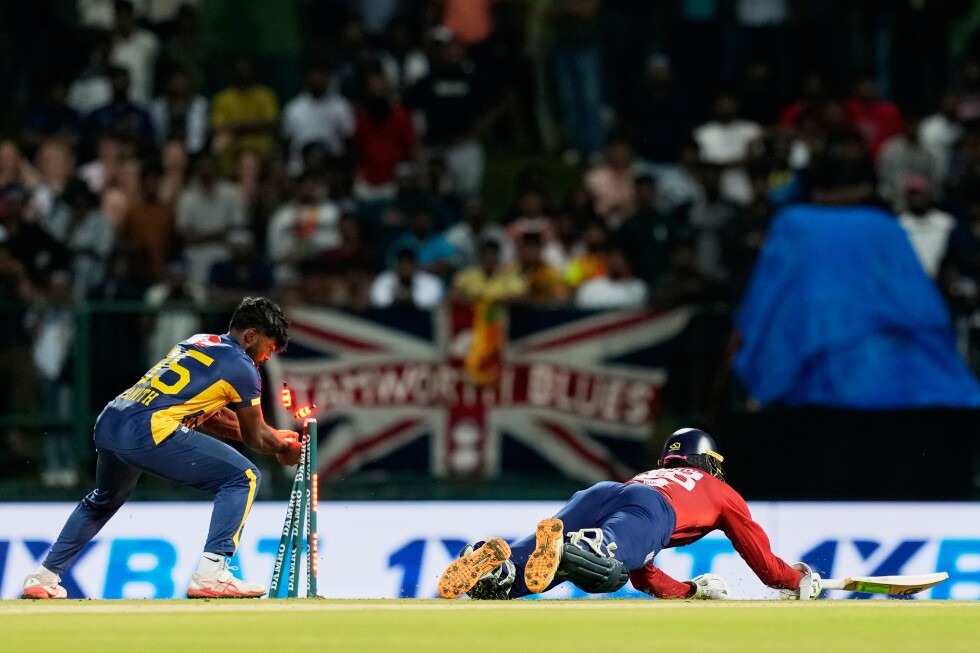
Reserve days are usually scheduled for:
- ICC World Cup Finals
- ICC World Cup Semi-finals
- ICC Champions Trophy knockouts
- ICC World Test Championship Final
- Some major franchise league finals
Regular bilateral matches or league matches usually do not have reserve days.
How the Reserve Day Rule Works
The reserve day rule may sound complicated, but it follows a simple process.
Step 1: Match Starts on Original Day
The match begins as scheduled.
Step 2: Weather Interrupts the Game
Rain or bad weather stops play.
Step 3: Match Cannot Be Completed
If there is not enough time to finish the match on the same day, the umpires officially move the game to the reserve day.
Step 4: Match Continues From the Same Point
The match continues from the exact point where it stopped.
This includes:
- Same score
- Same wickets
- Same batsmen
- Same overs remaining
Nothing resets.
What Happens If the Match Started But Rain Stops It?
If the match already started and rain stops it, the reserve day continues the game from the same moment.
Example scenario:
Day 1 situation:
- Team A: 210/6 after 45 overs
- Rain stops the game
Reserve Day:
- Match resumes from 210/6 at 45 overs
The game simply continues.
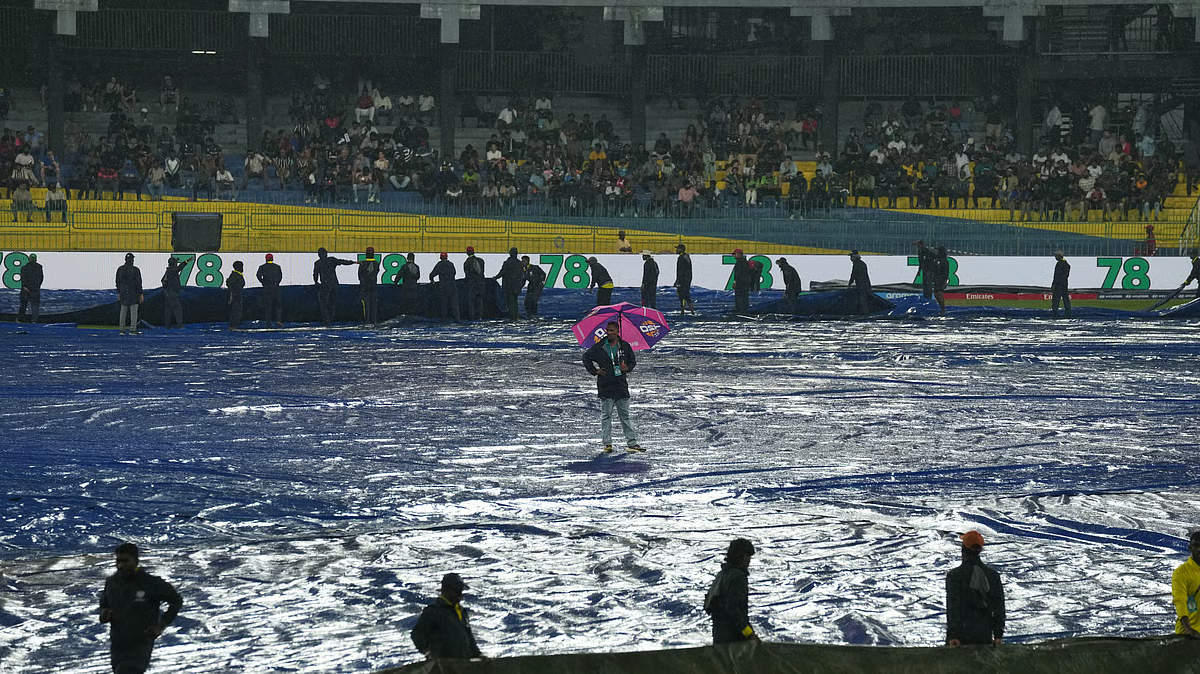
What Happens If the Match Never Starts?
Sometimes rain prevents the match from even beginning.
In this situation:
- The entire match is played on the reserve day.
So the reserve day effectively becomes the main match day.
Does the Duckworth-Lewis Method Apply on Reserve Days?
Yes.
The Duckworth-Lewis-Stern (DLS) method can still be used if rain interrupts the reserve day as well.
This means:
- Target scores may be adjusted
- Overs may be reduced
- Match results may still depend on DLS
Reserve days reduce the chances of DLS deciding a match, but they do not completely eliminate it.
Famous Matches That Used a Reserve Day
Several famous cricket matches have used reserve days.
1. 2019 Cricket World Cup Final
The historic final between England and New Zealand had a reserve day available. Fortunately, the match finished on the scheduled day.
However, if rain had interrupted it, the reserve day would have been used.
2. Asia Cup 2023 – India vs Pakistan
One of the most talked-about reserve day matches happened during the Asia Cup 2023 Super Four match between India and Pakistan.
Heavy rain stopped the match on Day 1, and the game continued on the reserve day.
This was a rare situation where even a group-stage match received a reserve day due to high importance.
Reserve Day vs Extra Time in Other Sports
Many sports have methods to handle delays.
| Sport | Delay Solution |
|---|---|
| Football | Extra time / penalty shootout |
| Tennis | Resume next day |
| Cricket | Reserve day |
Cricket uses reserve days because matches cannot simply be shortened drastically without affecting fairness.
Advantages of Reserve Day in Cricket
1. Fair Result
Reserve days ensure the match is decided by performance, not weather.
2. Protects Tournament Integrity
Major tournaments need clear winners.
3. Better for Fans
Fans prefer seeing the full match completed rather than a shared result.
4. Protects Broadcasters and Sponsors
Important matches generate huge revenue, so finishing them properly is crucial.
Disadvantages of Reserve Days
While useful, reserve days also create some challenges.
Scheduling Issues
Reserve days make tournament schedules tighter.
Travel Problems
Teams may have less time to travel to the next venue.
Ticketing Issues
Fans who bought tickets for the original day may struggle to attend the reserve day.
How Often Are Reserve Days Actually Used?
Reserve days are rarely used, but they are extremely important when needed.
Major tournaments include them as a safety mechanism.
Even if they are never used, their presence ensures that weather cannot ruin a final or semifinal.
Why Reserve Days Matter for Cricket Fans
For fans, reserve days are extremely important because they ensure:
- Big matches are not abandoned
- Finals produce a winner
- Tournament fairness is maintained
Without reserve days, rain could potentially decide World Cup champions, which would be unfair to players and fans.
The Future of Reserve Day Rules
Cricket authorities like the International Cricket Council (ICC) continue to review match scheduling and rain rules.
Possible future changes may include:
- More reserve days in major tournaments
- Improved drainage systems in stadiums
- Better weather prediction technology
However, reserve days will likely remain a key part of important cricket matches.
FAQ: Reserve Day Rule in Cricket
What is a reserve day in cricket?
A reserve day is an additional scheduled day used to complete a cricket match if the original match day is affected by rain or other interruptions.
Are reserve days used in every cricket match?
No. Reserve days are usually used only in major tournament knockout matches or finals.
Does the match restart on the reserve day?
No. The match continues from the exact point where it stopped.
What happens if it rains on the reserve day too?
If rain also interrupts the reserve day, officials may use the Duckworth-Lewis-Stern (DLS) method or declare the match a no result depending on tournament rules.
Do IPL matches have reserve days?
Generally, only IPL finals may have reserve days. Regular league matches usually do not.
Reference Links
- https://www.icc-cricket.com
- https://www.lords.org/mcc/the-laws-of-cricket
- https://www.espncricinfo.com
- https://www.bcci.tv
Disclaimer
This article is intended for informational and educational purposes to help readers understand the Reserve Day rule in cricket. Cricket rules may vary slightly depending on the tournament regulations set by governing bodies such as the ICC or domestic cricket boards. Readers should refer to official tournament rulebooks for the most accurate and updated regulations.


