🔥 Try the Cricket Fielding Position Tool (Interactive)
Below is your live interactive tool where users can drag fielders and instantly learn positions:
What Are Cricket Fielding Positions?
Cricket fielding positions define where players stand on the field to stop runs, take catches, and create pressure on the batsman. These positions are strategically placed based on:
- Batsman type (right/left-handed)
- Match format (Test, ODI, T20)
- Pitch conditions
- Game situation
Field placements are one of the most underrated tactics in cricket, often deciding matches.
Types of Cricket Fielding Positions
These are aggressive positions placed near the batsman:
- Slip (First, Second, Third)
- Gully
- Short Leg
- Leg Slip
- Wicketkeeper
👉 Used mainly in Test matches to induce edges.
Types of Cricket Fielding Positions
1. Close Catching Positions
7
These are aggressive positions placed near the batsman:
- Slip (First, Second, Third)
- Gully
- Short Leg
- Leg Slip
- Wicketkeeper
👉 Used mainly in Test matches to induce edges.
2. Inner Circle Fielders (30-yard circle)
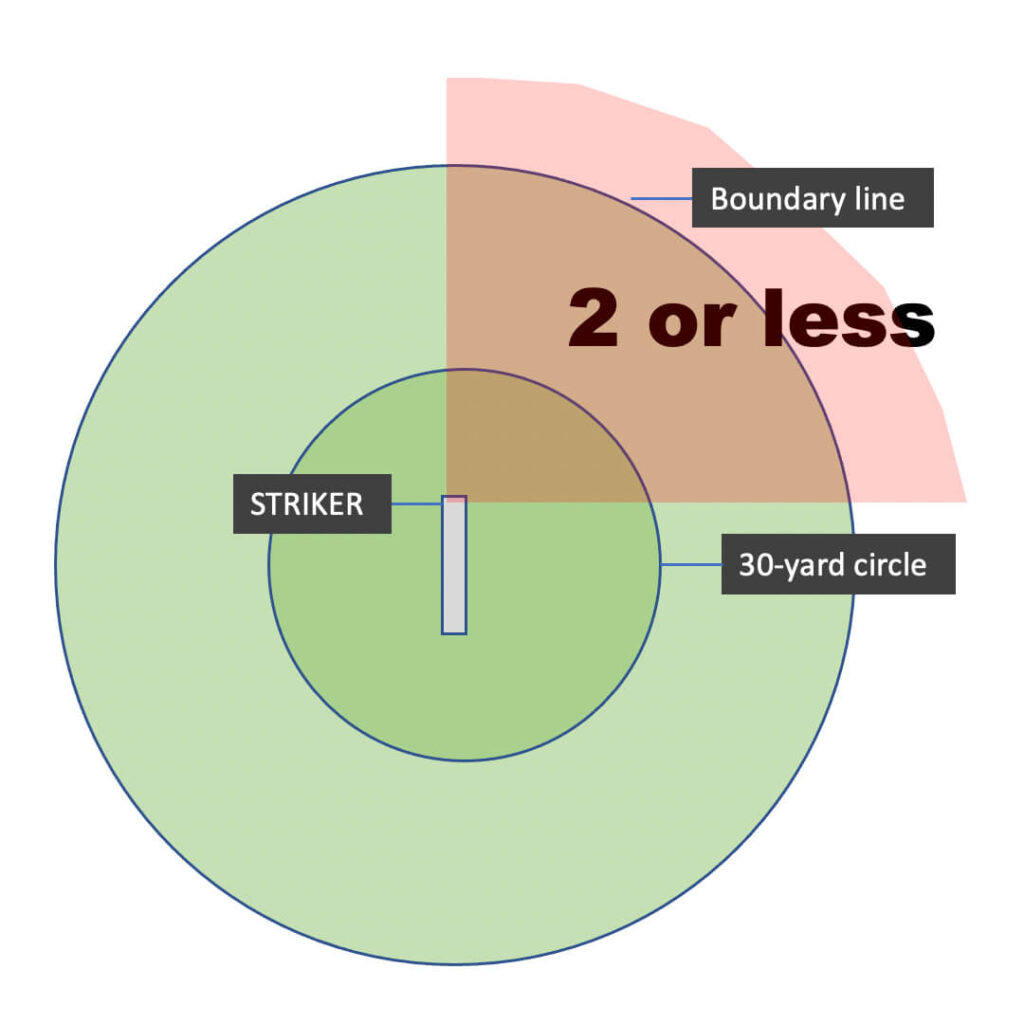
These players control singles and build pressure:
- Point
- Cover / Extra Cover
- Mid-off
- Mid-on
- Square Leg
- Midwicket
👉 Critical in powerplay overs (ODI/T20)
3. Outfield / Boundary Riders
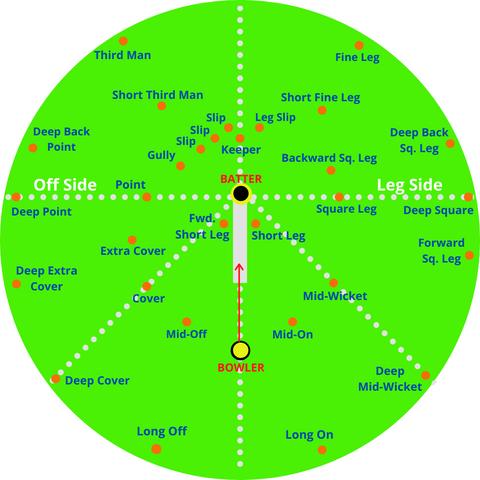
Placed near the boundary to stop big shots:
- Third Man
- Deep Point
- Deep Cover
- Long Off / Long On
- Deep Midwicket
- Fine Leg
👉 Used in death overs to prevent sixes.
Why Fielding Positions Matter (Game Strategy)
Field placement is not random — it’s a data-driven tactical decision:
- 🧩 Cut off scoring areas
- 🎯 Target batsman weaknesses
- 🔄 Force risky shots
- 💥 Create wicket-taking opportunities
Example:
- Against a pull-heavy batsman → Deep Square Leg + Fine Leg
- Against a cover-drive player → Extra Cover + Deep Cover
How to Use the Fielding Position Tool
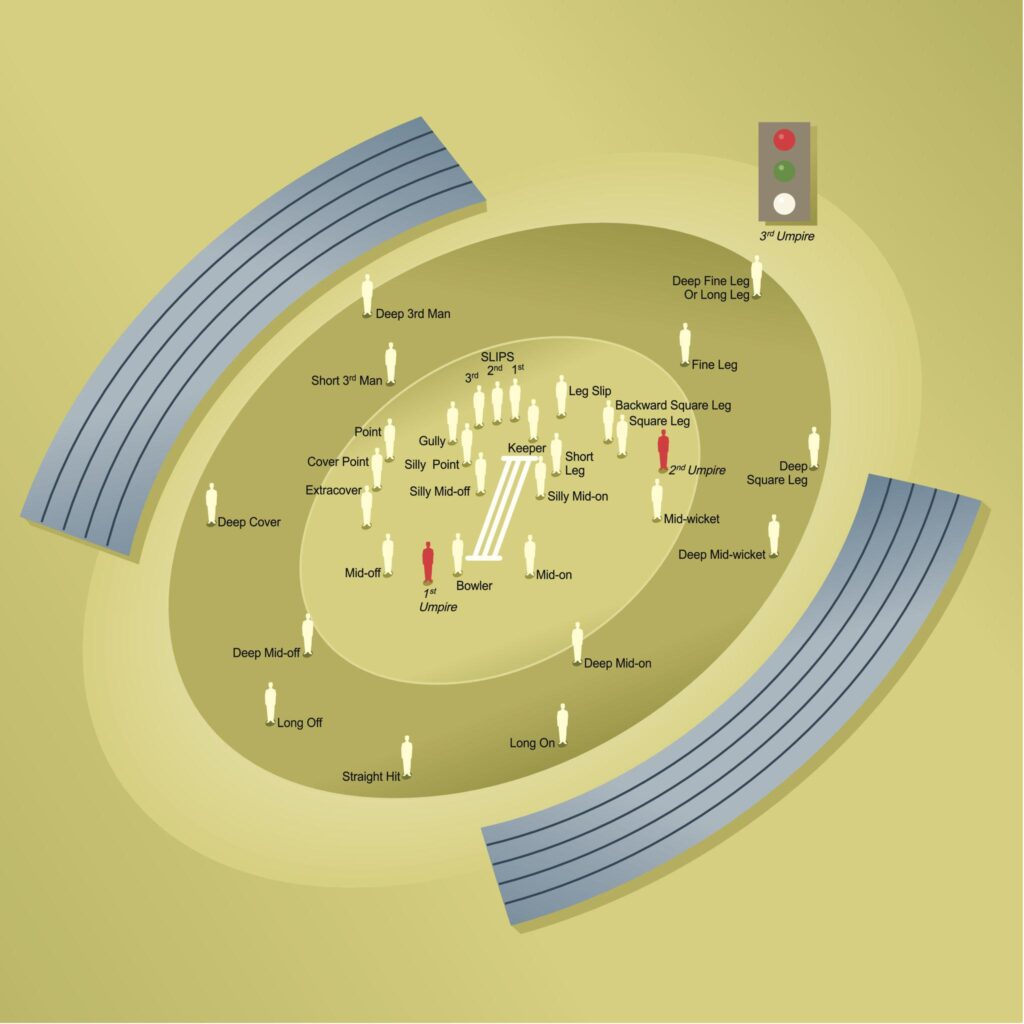
Your tool (above) allows users to:
- Drag and drop fielders
- Automatically detect position names
- See real-time stats:
- Off-side vs Leg-side
- Inner vs Outer circle
- Learn position descriptions instantly
💡 This makes it perfect for:
- Beginners learning cricket
- Fantasy cricket players
- Coaches and analysts
Pro Field Placement Strategies (2026 Modern Cricket)
🔥 T20 Strategy
- 2–3 boundary riders minimum
- Heavy off-side field for power hitters
- Use “split field” (off + leg balance)
🏏 ODI Strategy
- Rotate field based on overs
- Control singles in middle overs
- Protect boundaries in death overs
🧱 Test Match Strategy
- Aggressive slip cordon
- Close-in catchers
- Patience-based fielding
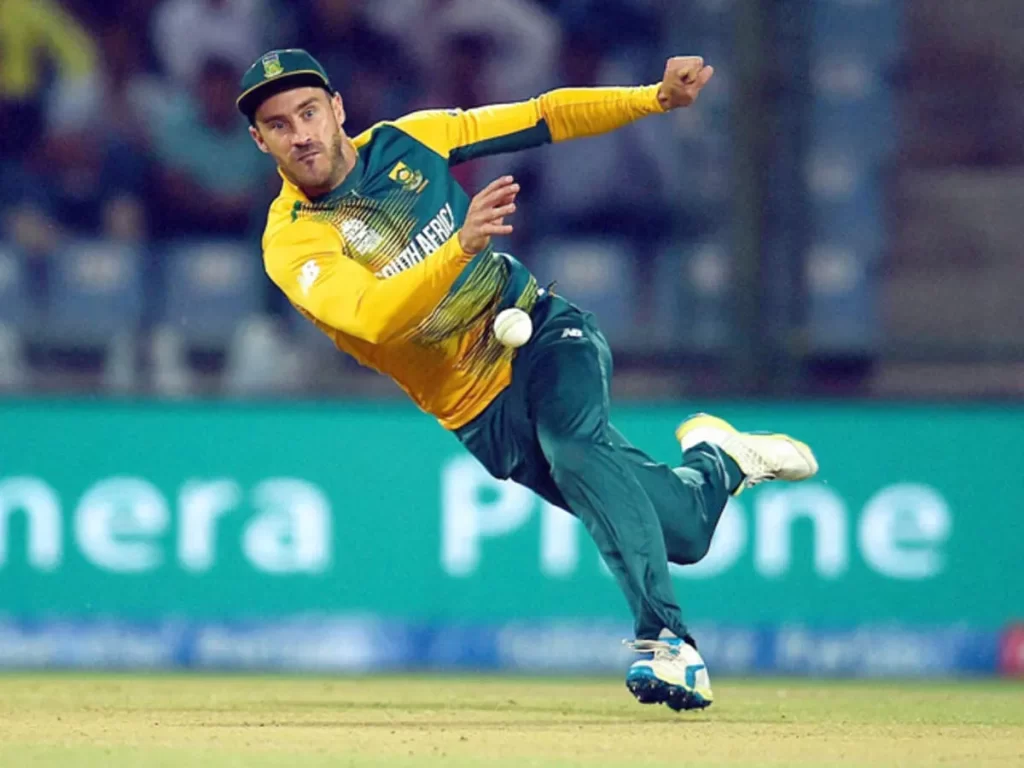
🧩 Beginner-Friendly Field Map (Quick Understanding)
- Off Side → Where the bat faces naturally
- Leg Side (On Side) → Opposite side of the bat
- Behind the wicket → Third Man / Fine Leg
- In front → Cover / Mid-off / Mid-on
Frequently Asked Questions
What are the basic fielding positions in cricket?
Basic positions include slip, gully, point, cover, mid-off, mid-on, square leg, and fine leg.
What is the difference between off side and leg side?
Off side is the side facing the batsman’s bat, while leg side is behind the batsman.
How many fielders are allowed outside the circle?
In T20:
Powerplay: 2
Middle overs: 4
Death overs: 5
What is the most important fielding position?
The wicketkeeper is the most crucial, followed by slip in Test matches.
Reference Links
🏏 Official & Governing Bodies
- International Cricket Council – https://www.icc-cricket.com
- Marylebone Cricket Club (Laws of Cricket) – https://www.lords.org/mcc/the-laws-of-cricket
📘 Educational Cricket Resources
- England and Wales Cricket Board – https://www.ecb.co.uk
- Cricket Australia – https://www.cricket.com.au
📊 Strategy & Analysis Platforms
- ESPNcricinfo – https://www.espncricinfo.com
- Cricbuzz – https://www.cricbuzz.com
🧠 Coaching & Fielding Guides
- National Cricket Academy (India)
- PitchVision – https://www.pitchvision.com
Disclaimer
This blog is intended for educational and informational purposes only. The cricket fielding position tool and strategies shared on this page are based on general cricketing principles, publicly available data, and common gameplay tactics.
While we strive to provide accurate and up-to-date information, field placements and strategies may vary depending on match conditions, player skills, pitch behavior, and team decisions. We do not guarantee outcomes in real matches based on this content.
This website is not affiliated with or endorsed by the International Cricket Council (ICC), BCCI, or any official cricket governing body. All trademarks, team names, and references belong to their respective owners.
Users are advised to use their own judgment or consult professional coaches for advanced cricket strategies.


