Cricket has evolved dramatically over the years. The introduction of technology, Decision Review Systems (DRS), UltraEdge, Hawk-Eye, and high-definition cameras has transformed how decisions are made on the field. Yet one term continues to confuse many cricket fans: Soft Signal.
If you’ve ever watched a close catch referral and heard commentators discuss the umpire’s soft signal before the decision went upstairs, you’re not alone. Many fans wonder what it means, why it matters, and whether it can influence the final outcome.
In this comprehensive guide, we’ll break down everything you need to know about Soft Signal Explained, including its definition, purpose, practical examples, controversies, and its role in modern cricket.
Whether you’re a casual cricket fan, fantasy cricket enthusiast, aspiring umpire, or someone trying to understand cricket rules better, this guide will provide complete clarity.
Table of Contents
What is Soft Signal Explained?
Quick Definition
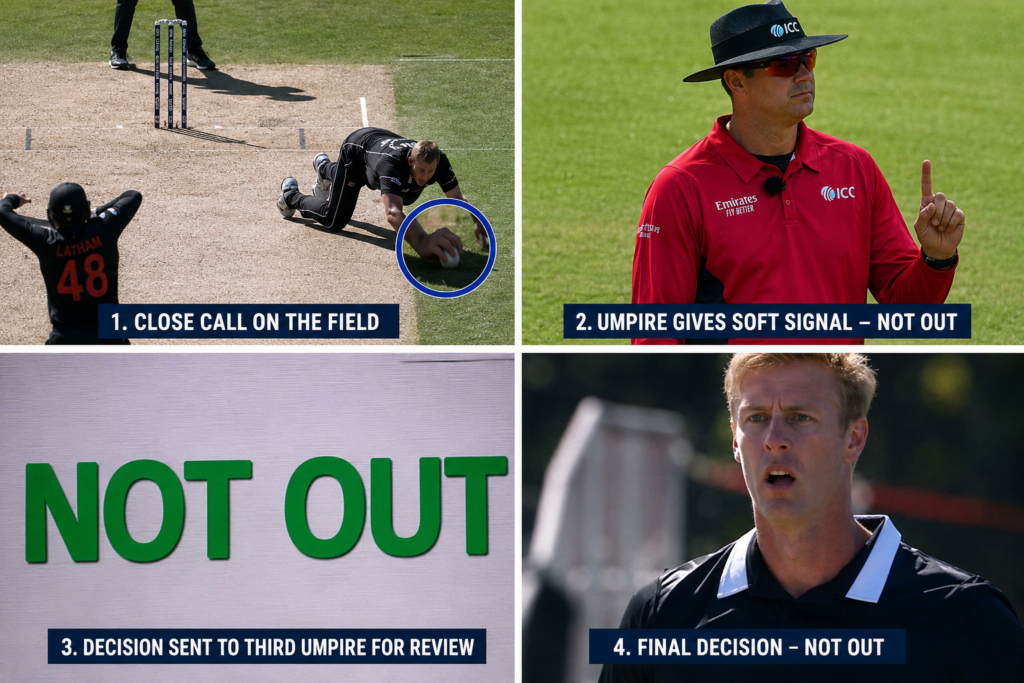
Soft Signal is the initial opinion given by the on-field umpire before referring a close decision to the third umpire for review using technology.
The umpire indicates whether they believe the batter is OUT or NOT OUT based on what they observed in real time. This preliminary judgment is known as the soft signal.
The third umpire then reviews available evidence using video replays and technology. If the evidence is conclusive, the third umpire can overturn the soft signal. However, if evidence is inconclusive, the original soft signal may influence the final verdict.
In simple terms:
- Umpire sees a close incident.
- Umpire gives an initial opinion.
- Decision goes upstairs.
- Technology reviews the incident.
- Final decision is made.
Why It Matters
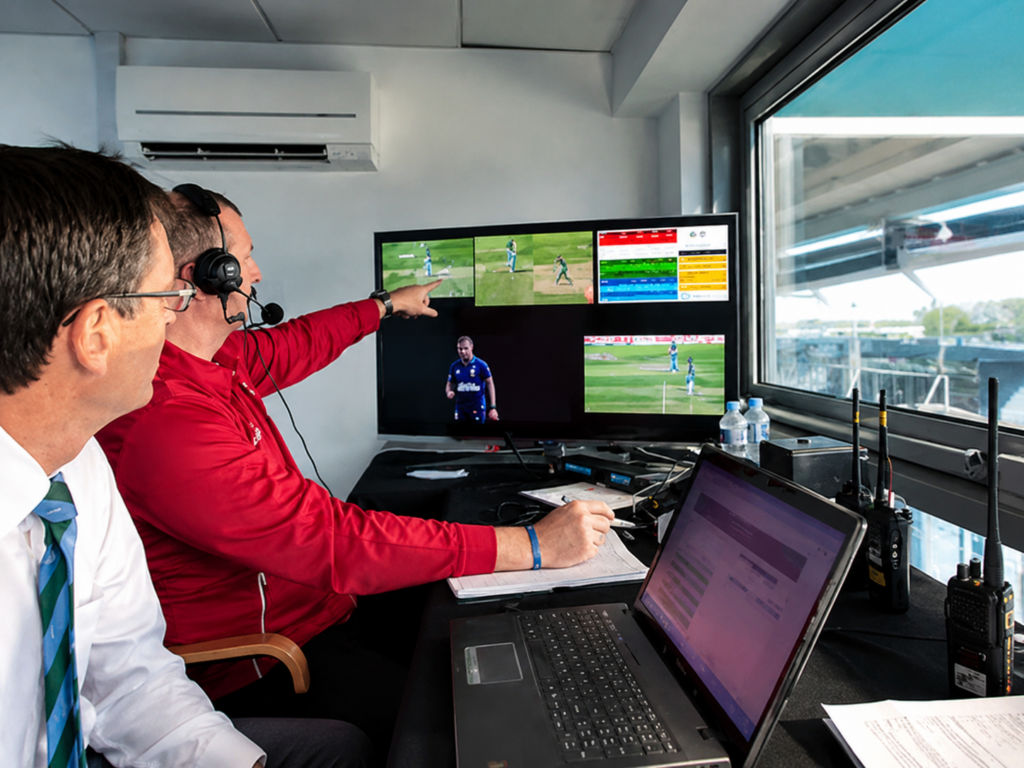
Soft signals became important because cricket often involves situations where an umpire has only a fraction of a second to judge an event.
Examples include:
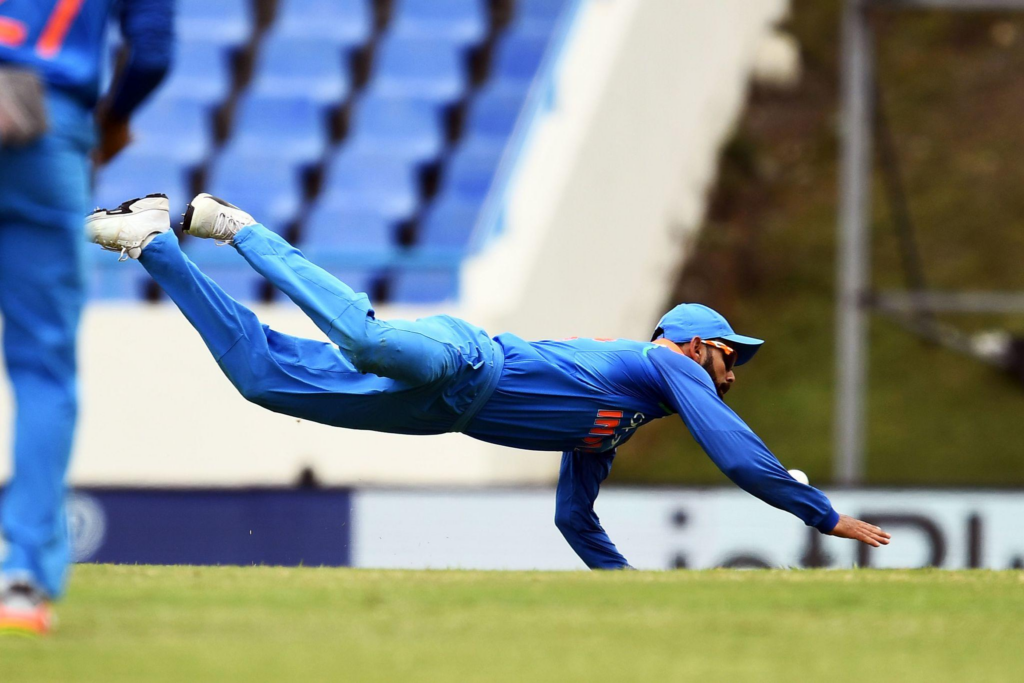
- Low catches near the ground
- Boundary catches
- Bat-pad catches
- Close fielding dismissals
- Obstructed views
In such moments, even advanced technology may not provide absolute certainty.
The soft signal acted as a fallback opinion when available footage failed to provide definitive evidence.
For years, this approach helped decision-makers resolve difficult situations that otherwise could remain uncertain.
History of Soft Signal in Cricket
The concept of soft signals emerged as technology became increasingly integrated into international cricket.
Initially:
- On-field umpires made all decisions.
- Video technology was limited.
- Third umpires handled only specific cases.
As broadcast technology improved, referrals became more common.
The International Cricket Council (ICC) introduced soft signals to help third umpires during difficult reviews, especially catches where camera angles might not provide conclusive proof.
However, over time, the system became controversial.
Many players, commentators, and former umpires argued that technology should make decisions independently without relying on an umpire’s initial guess.
This debate eventually led to significant changes in cricket regulations.
How Soft Signal Works
Let’s understand the process step by step.
Scenario: Close Catch
Imagine a fielder dives forward and claims a catch.
The batting team isn’t convinced.
The on-field umpire is uncertain.
Here’s what happens:
Step 1: Initial Observation
The umpire watches the catch in real time.
Step 2: Soft Signal Given
The umpire indicates:
- OUT
or - NOT OUT
This is the soft signal.
Step 3: Referral to Third Umpire
The incident is sent upstairs for review.
Step 4: Technology Analysis
The third umpire examines:
- Multiple camera angles
- Slow-motion footage
- Zoomed replays
- Frame-by-frame analysis
Step 5: Final Decision
The third umpire determines:
- Clear evidence supporting dismissal
- Clear evidence supporting not out
- Inconclusive evidence
Historically, inconclusive evidence often meant the soft signal remained.
Key Benefits
Despite criticism, soft signals offered several advantages.
1. Encourages Umpire Accountability
On-field umpires remain actively involved rather than delegating every difficult decision.
2. Provides a Starting Reference
The third umpire gains insight into what the on-field official observed live.
3. Helps During Inconclusive Reviews
When camera evidence is unclear, a soft signal offers a practical fallback.
4. Supports Decision Consistency
It prevents excessive reliance on uncertain technology.
5. Maintains Human Judgment
Cricket combines technology with human expertise rather than replacing officials entirely.
Common Challenges
Soft signals also faced substantial criticism.
Ambiguous Camera Angles
Technology may show different interpretations from different angles.
Human Error
The on-field umpire can misjudge an incident.
Psychological Influence
Critics argued that a third umpire might unconsciously lean toward the soft signal.
Fan Frustration
Spectators often found it confusing when technology appeared inconclusive.
Perceived Bias
Some believed the original signal had too much influence on final outcomes.
Step-by-Step Guide: Understanding a Soft Signal Decision
Here’s a simple framework for interpreting soft signal situations.
Step 1
Watch the incident live.
Step 2
Observe the umpire’s initial signal.
Step 3
Identify why the referral is necessary.
Step 4
Watch replay angles carefully.
Step 5
Understand whether evidence is conclusive.
Step 6
Compare replay evidence against the soft signal.
Step 7
Wait for the third umpire’s final ruling.
Step 8
Understand that technology may still leave room for interpretation.
Practical Examples
Example 1: Low Catch
A slip fielder dives forward.
The ball appears close to touching the ground.
The umpire believes the catch is clean and signals OUT.
Replays remain unclear.
Historically, the soft signal could result in the batter being dismissed.
Example 2: Boundary Catch
A fielder catches the ball near the rope.
Questions arise regarding foot placement.
The umpire signals NOT OUT.
Video evidence remains inconclusive.
The soft signal may support the original decision.
Example 3: Bat-Pad Catch
A short-leg fielder claims a catch.
The umpire isn’t fully certain.
The soft signal is OUT.
Technology cannot clearly establish whether the ball touched the ground.
Historically, the original signal could stand.
Example 4: International Match Controversy
Several international matches featured disputed catches where commentators, players, and fans debated whether replay footage provided enough evidence to overturn a soft signal.
These incidents contributed to ongoing discussions about whether soft signals should remain part of cricket.
Comparison Table
| Aspect | Soft Signal Era | No Soft Signal Approach |
| Initial Umpire Opinion | Required | Not Required |
| Third Umpire Review | Uses initial opinion | Uses evidence only |
| Human Influence | Higher | Lower |
| Technology Dependence | Moderate | High |
| Controversy Level | Higher | Lower |
| Decision Framework | Opinion + Technology | Technology-Based |
Did Cricket Remove the Soft Signal?
Yes.
One of the most important developments in modern cricket is that the ICC removed the mandatory use of soft signals in international cricket.
The decision came after years of debate among:
- Players
- Former cricketers
- Umpires
- Broadcasters
- Cricket analysts
The argument was simple:
If technology is available, decisions should be based on evidence rather than an initial assumption.
Today, third umpires generally focus on replay evidence and available technology when making decisions.
However, understanding soft signals remains important because:
- Older matches used the system extensively.
- Cricket fans still discuss controversial decisions involving soft signals.
- Commentary often references historical soft signal incidents.
Best Practices for Understanding Soft Signal Decisions
Focus on Evidence
Always evaluate the replay footage first.
Understand Umpire Perspective
Remember that umpires make decisions in real time.
Consider Camera Limitations
Not every angle captures the incident perfectly.
Avoid Instant Conclusions
Slow-motion footage often reveals details missed during live viewing.
Learn the Laws
Understanding cricket laws improves interpretation of close decisions.
Common Mistakes to Avoid
Assuming Technology Is Perfect
Even advanced systems have limitations.
Ignoring Umpire Positioning
The umpire may have had the best angle available.
Judging from One Replay
Multiple camera angles often tell different stories.
Confusing Soft Signal with DRS
They are separate concepts.
Assuming Soft Signal Equals Final Decision
The third umpire could overturn the initial opinion.
Expert Tips
Watch Multiple Broadcast Angles
Different perspectives reveal different details.
Listen to Umpire Communication
Official explanations provide valuable context.
Learn ICC Playing Conditions
Rules evolve regularly.
Study Famous Decisions
Historical examples help understand practical applications.
Follow Umpiring Discussions
Expert analysis often explains difficult decisions better than highlight clips.
Frequently Asked Questions
What is a soft signal in cricket?
A soft signal is the on-field umpire’s initial opinion before a close decision is reviewed by the third umpire.
Why was soft signal used?
It helped provide guidance when replay footage could not conclusively prove whether the batter was out or not out.
Is soft signal still used in international cricket?
No. The ICC removed the mandatory use of soft signals in international cricket.
Can a third umpire overturn a soft signal?
Yes. Clear evidence could overturn the original on-field opinion.
What types of decisions involved soft signals?
Mostly close catches, boundary catches, and disputed fielding dismissals.
Why was the soft signal controversial?
Critics believed it influenced third-umpire decisions even when replay evidence was unclear.
Is soft signal the same as DRS?
No. Soft signal is an umpire’s initial opinion, while DRS is a broader review system involving technology.
Why should cricket fans understand soft signals today?
Many historic matches and famous controversies involved soft signals, making it an important part of cricket’s evolution.
Did all cricket formats use soft signals?
Soft signals were primarily associated with international cricket and certain competition playing conditions.
What replaced soft signals?
Modern reviews rely more heavily on replay footage, technology, and third-umpire analysis rather than an initial on-field opinion.
Final Thoughts
Understanding Soft Signal Explained provides valuable insight into how cricket balanced human judgment with technology during a significant period of the sport’s evolution.
A soft signal was essentially the on-field umpire’s preliminary verdict before a decision was reviewed by the third umpire. While the concept aimed to help resolve uncertain situations, it also sparked debate about whether human opinion should influence technology-assisted reviews.
The eventual removal of soft signals reflects cricket’s ongoing effort to improve fairness, consistency, and transparency in decision-making. Nevertheless, soft signals remain an important chapter in cricket umpiring history and continue to be referenced whenever discussions about controversial catches and third-umpire decisions arise.
For cricket fans, understanding the role of soft signals helps make sense of past matches, umpiring decisions, and the technological evolution that continues to shape the modern game.
References
- International Cricket Council (ICC)
https://www.icc-cricket.com - Marylebone Cricket Club (MCC) – Laws of Cricket
https://www.lords.org/mcc/the-laws-of-cricket - ICC Playing Conditions
https://www.icc-cricket.com/about/cricket/rules-and-regulations - ESPN Cricinfo
https://www.espncricinfo.com - Wisden Cricket
https://wisden.com - BBC Sport Cricket
https://www.bbc.com/sport/cricket - Sky Sports Cricket
https://www.skysports.com/cricket - The Cricket Monthly
https://www.thecricketmonthly.com
Disclaimer
This article is intended for educational and informational purposes only. Cricket laws, ICC playing conditions, and umpiring protocols may change over time. Readers should refer to official ICC and MCC publications for the most current rules and interpretations. The examples discussed are illustrative and should not be considered official rulings or legal interpretations of cricket regulations.